Song Meaning
The lyrics present a stark contrast between places of uncertainty or struggle and a promised "other side." The narrator explicitly states where they *won't* be found: "in the drifting sky" or "on the battleground." These images evoke a sense of aimlessness or conflict, suggesting the narrator is not participating in or defined by these chaotic states. Instead, they are positioning themselves elsewhere, in a place of resolution or peace.
The central tension lies in the repeated assertion "You can find me / On the other side." This "other side" is presented as a destination, a place distinct from the "drifting sky," "shifting sands," and "battleground." It’s a place that exists beyond the immediate confusion and the feeling of time stretching out like a "lifetime." The lyrics suggest this "other side" is a state of being or a location that offers clarity and perhaps an end to the present turmoil.
The most striking craft element is the direct address and the repeated, almost incantatory, refrain. The narrator is guiding someone, perhaps the listener or a specific individual, toward their location. The repetition of "Find me / Other side" acts as a beacon, a promise of a future meeting point. The contrast between the ephemeral "drifting sky" and the more grounded "shifting sands" versus the definitive "other side" highlights the narrator's chosen path away from instability.
This lyrical construction is effective because it offers a sense of hope and direction amidst ambiguity. The narrator isn't just lost; they are actively choosing a different space and inviting another to join them there. The promise of being found on the "other side" provides a powerful emotional anchor, suggesting that even within confusion, there's a destination of peace and reunion to strive for.
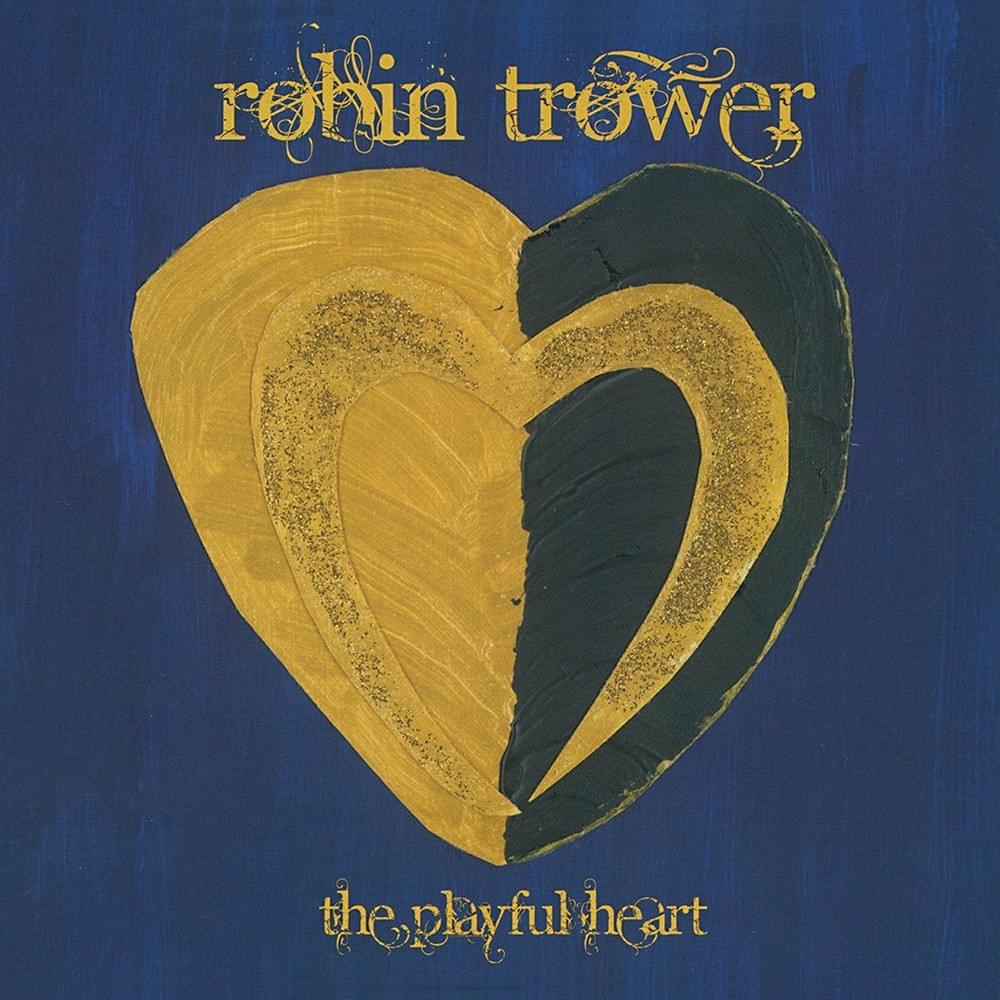
 View Artist