Song Meaning
This hymn grounds the act of farming in divine providence. The lyrics paint a picture of human labor – plowing fields, scattering seed – but immediately pivot to emphasize that the true power behind growth comes from a higher source. It’s not just about the farmer’s effort; it’s about the celestial forces that provide snow, warmth, breezes, sunshine, and rain. This establishes a core theme of gratitude for blessings received, acknowledging that all sustenance ultimately originates from divine intervention.
The central tension lies in the contrast between human action and divine grace. While people work the land, they possess nothing inherently that guarantees success. The lyrics explicitly state, "No gifts have we to offer for all thy love imparts." This highlights a profound dependence, suggesting that human contribution is merely the vessel for receiving God’s bounty. The repeated refrain, "All good gifts around us are sent from Heaven above," reinforces this idea, creating a constant reminder of the source of these provisions.
The most striking aspect of the craft is the direct address and the humble offering. The narrator moves from thanking God for the natural elements to offering their own "humble thankful hearts" as the only suitable return for divine generosity. This isn't a transactional exchange; it’s an emotional and spiritual acknowledgment. The final, almost spontaneous "I really wanna thank you Lord!" adds a personal, heartfelt layer to the formal gratitude, suggesting a genuine, unprompted outpouring of appreciation that transcends the structured verses.
What makes these lyrics resonate is their clear articulation of a relationship built on receiving and giving thanks. The simple, direct language and the consistent focus on divine provision create a powerful sense of humility and gratitude. The song effectively conveys that even in the most grounded, physical labor, there's an underlying spiritual connection, and the most valuable response to abundance is a thankful heart.
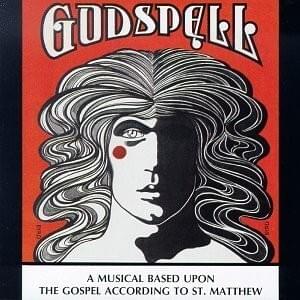
 View Artist