Song Meaning
The narrator is drowning in regret, lamenting a past where opportunities were squandered. The opening lines paint a picture of utter desolation: "No more room to roam," "lost my hope," and "Stars have all gone in" create a suffocating sense of finality. There's a palpable bitterness in the self-assessment, "I'm too rich to learn / And far too cold to burn," suggesting a life of privilege that bred complacency and an inability to feel consequences until it was too late.
The core of the song's ache lies in the contrast between past actions and present emptiness. The repeated refrain, "Gone gone are the days, I cried / When I could so easily have tried," hammers home the central conflict. The narrator explicitly states the choice made: "Work, work, when instead I laughed," highlighting a deliberate preference for pleasure over responsibility. This past indulgence has led directly to the current state of having "nothing now I have."
The lyrics employ a stark, almost childlike simplicity to convey profound despair. The inability to discern right from wrong, "I just can not see / What is right and wrong," isn't just a statement of confusion; it feels like a consequence of the earlier choices. The fading eyesight, "My eyes are not so strong," could be a literal decline, but it more powerfully suggests a loss of clarity and moral compass, a direct result of a life lived without effort or foresight.
This track hits hard because it articulates a universal fear: the dread of looking back and realizing your present misery is entirely self-inflicted. The raw, unvarnished admission of foolishness and the crushing weight of its aftermath make the narrator's plight feel intensely personal, even without knowing the specifics of their life. The simple, repetitive structure mirrors the cyclical nature of regret, trapping the listener in the same loop of "gone gone" days.
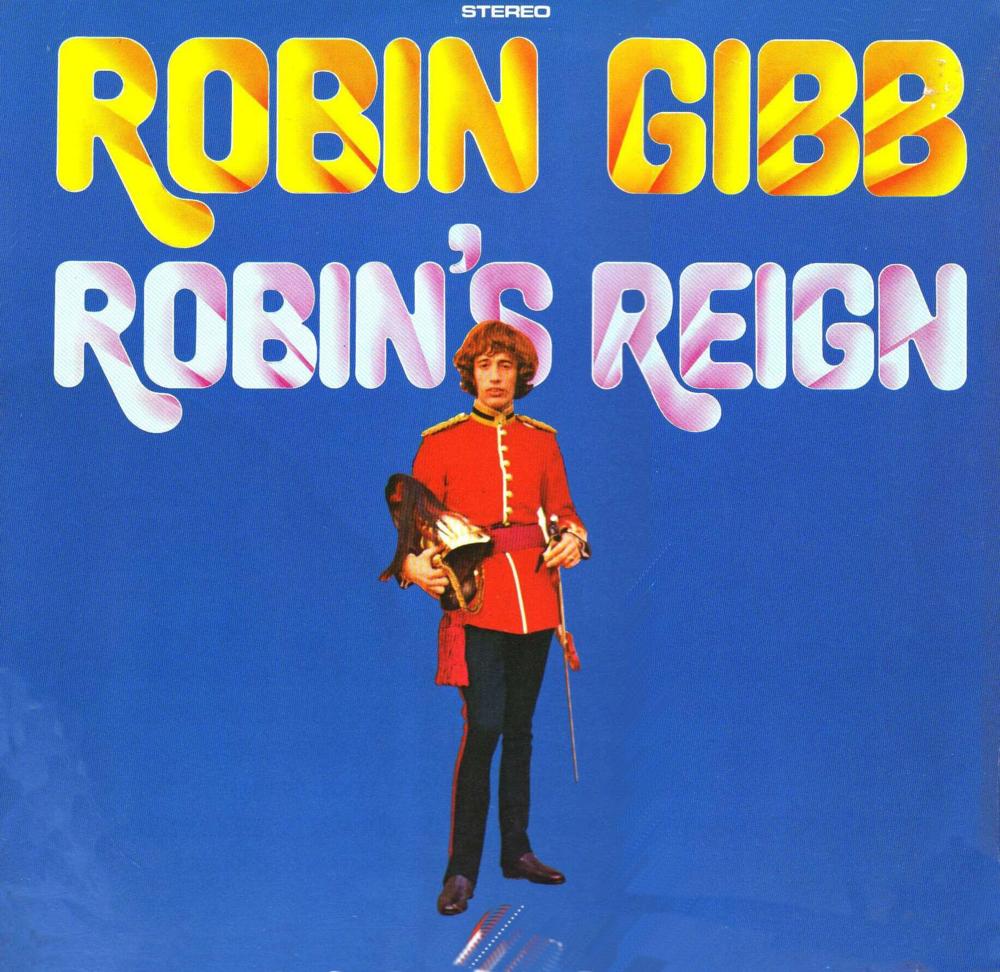
 View Artist