Song Meaning
The lyrics open with a grand, almost biblical, invocation of creation, where the first thing was a word, and the second a song sung by God himself through a candle's flame. This sets a tone of deep, foundational significance. The storm imagery of thunder and a hissing sky adds a dramatic, elemental backdrop to this creation myth. The narrator then grounds this cosmic event, stating, "This song is about them / And a little bit about us." This immediately establishes a connection between the primordial and the personal, suggesting the "them" are figures of immense importance whose existence or legacy directly impacts the present "us."
This connection is further solidified as the song shifts to a more earthly celebration. The narrator and their group raise glasses of frothy white beer and offer prayers to God for "them," dedicating the table and its bounty to their honor. This ritualistic act of toasting and praying suggests a deep respect and perhaps a sense of debt owed to these figures. The phrase "When rum pours in the soul" implies a profound, almost spiritual or intoxicating effect these "them" have on the narrator's inner state, reinforcing the idea that they are not just historical figures but living influences.
The lyrics then pose a direct question, seeking to identify "them": "Who are those with long beards / And pipes in their laps?" The immediate, affirmative answer is, "Aren't they our fathers / With scars in their souls?" This is the crucial revelation: "them" are the fathers, the progenitors. The imagery of beards and pipes evokes a sense of tradition and perhaps a certain ruggedness, while the "scars in their souls" hints at hardship, struggle, or past traumas they have endured. The narrator confirms, "Yes, yes, it is they / Who created us," directly linking their own existence to these fathers and their experiences.
The effectiveness of these lyrics lies in their masterful blend of the epic and the intimate. By starting with a creation narrative and then pivoting to a personal, familial connection, the song imbues the concept of ancestry with a mythic weight. The repeated act of raising glasses and praying for "them" creates a powerful sense of continuity and remembrance, suggesting that the struggles and sacrifices of the fathers are not forgotten but are actively honored and acknowledged by the present generation. The final line, "This song is about them / And a little bit about us," serves as a poignant reminder that our present lives are inextricably woven into the past, shaped by those who came before and bore the scars that allowed us to be.
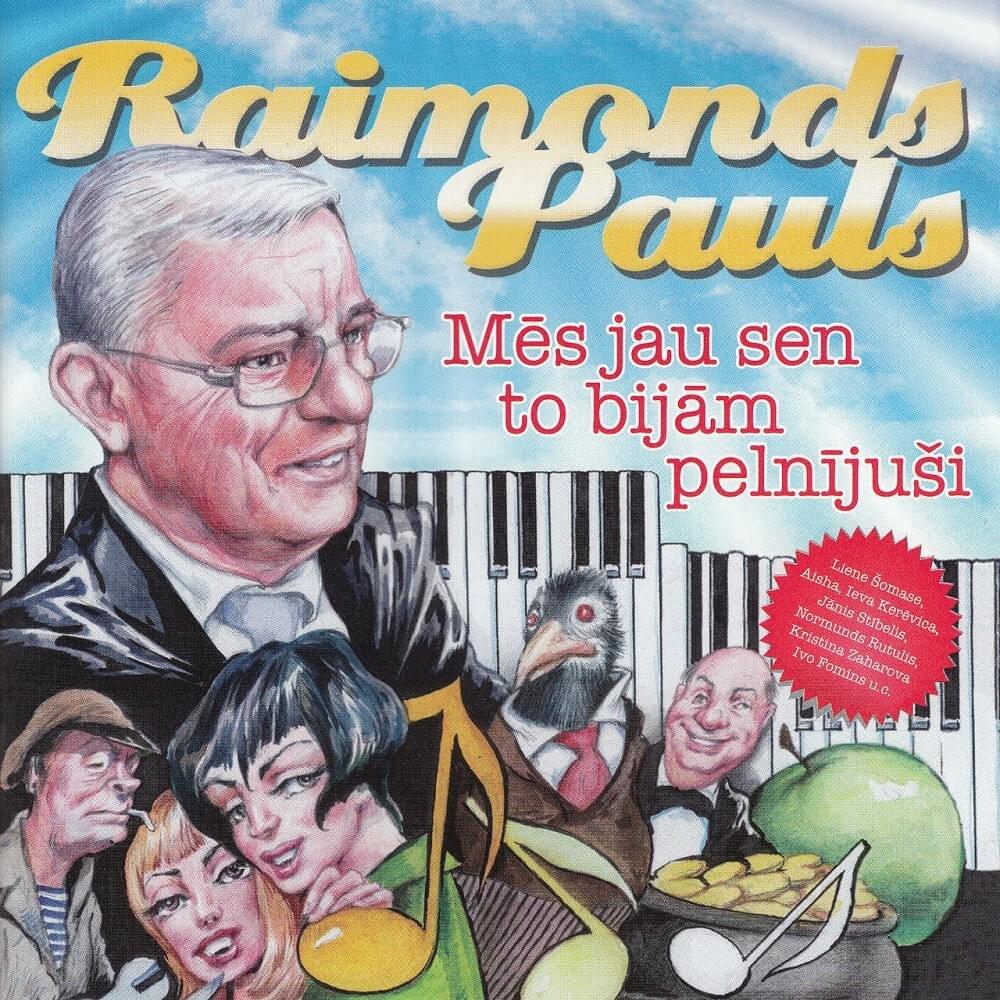
 View Artist