Song Meaning
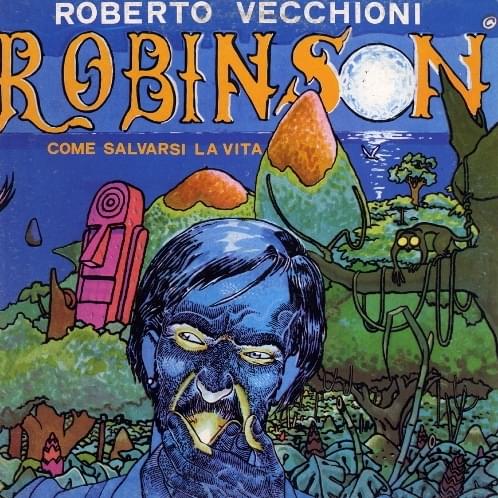
Roberto Vecchioni's "Robinson" isn't a straightforward retelling of Defoe's classic. Instead, it's a poignant meditation on the loss of childhood wonder and the disillusionment that comes with adulthood. The song meaning resides in the contrast between the boundless imagination of youth, symbolized by the dream of becoming Robinson Crusoe, and the constricted, guarded reality of later life. The initial verses paint a picture of a child's world filled with adventure, magic, and the comforting presence of an inner hero. "The child follows a dream / Adventure outside the yard / Full wave in the clear nights / The surprise of a fairy." This is a world where anything is possible, fueled by dreams and a sense of limitless potential. The repeated refrain, "I'll be like Robinson when I grow up," underscores this yearning for a life of self-reliance and exploration.
However, the song takes a darker turn as it delves into the reality of adulthood. The "thirty-year-old clock" marks the passage of time and the fading of youthful ideals. The world becomes "worn out, a fake fire," a place where people passively await escape in the form of "spaceships." Love becomes a fleeting thing, something to be sung about rather than experienced. Most strikingly, the Robinson figure transforms. The boy who dreamed of adventure now "locks away his things to defend them" and holds a rifle, a symbol of fear and self-preservation rather than exploration. The line "When he returns, he thinks he's leaving" suggests a deep sense of alienation and the inability to truly reconnect with the past or find solace in the present.
Vecchioni's "Robinson" lyrics cleverly use the iconic figure of Robinson Crusoe as a symbol of lost innocence. The song isn't about the adventure of being stranded on an island; it's about the internal exile we experience when the dreams of childhood collide with the compromises and anxieties of adult life. The final image of Robinson smiling at himself in the mirror, rifle in hand, is particularly unsettling. It suggests a kind of self-deception, a forced acceptance of a diminished reality. This "Robinson" is not a hero; he's a cautionary tale about the price of growing up and the potential for the world to extinguish the flame of imagination.
 View Artist