Song Meaning
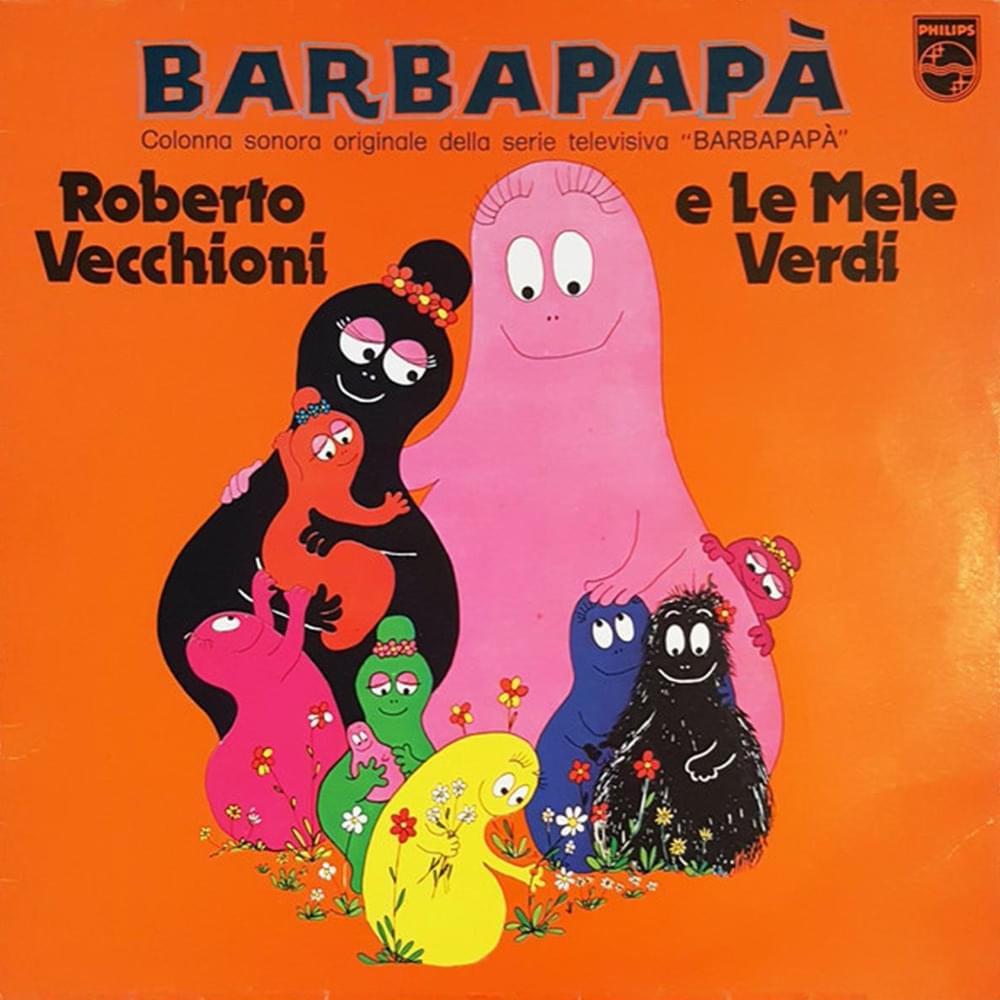
"Ecco Arrivare I Barbapapà," performed by Roberto Vecchioni and Le Mele Verdi, transcends its surface as a children's theme song to hint at deeper, more resonant themes of family, identity, and the boundless potential for transformation. The repetitive and simple lyrics, centered on the Barbapapà family, create an initial sense of childlike wonder. Yet, beneath the surface lies a subtle commentary on the fluidity of identity, as highlighted by the line, "Tu li vedi trasformare come gli va" ("You see them transform as they please"). This notion of metamorphic freedom can be interpreted as an invitation to embrace change and self-discovery. It subtly encourages listeners to consider the liberating possibilities inherent in shedding rigid definitions of self. The Barbapapà are not confined; they adapt and evolve.
Vecchioni's involvement, juxtaposed against Le Mele Verdi's youthful delivery, adds a layer of complexity. Known for his more profound and often politically charged work, Vecchioni's participation suggests an intentional elevation of the song beyond mere entertainment. The listing of each Barbapapà family member's name reinforces a sense of belonging and individual importance within the collective. The song's repetitive structure, while catchy for children, also serves to solidify the idea of family as a constant, reliable presence, a foundation upon which individual transformations can safely occur.
Ultimately, "Ecco Arrivare I Barbapapà" functions as a deceptively simple exploration of complex psychological concepts. It touches on the interplay between individual identity and familial belonging, the comfort found in repetition and familiarity, and the liberating potential of embracing change. While ostensibly a children's song, the underlying message resonates with adults, reminding us of the importance of adaptability, acceptance, and the enduring power of family, whether biological or chosen. The song meaning, therefore, isn't just about cartoon characters; it's a subtle meditation on the human condition.
 View Artist