Song Meaning
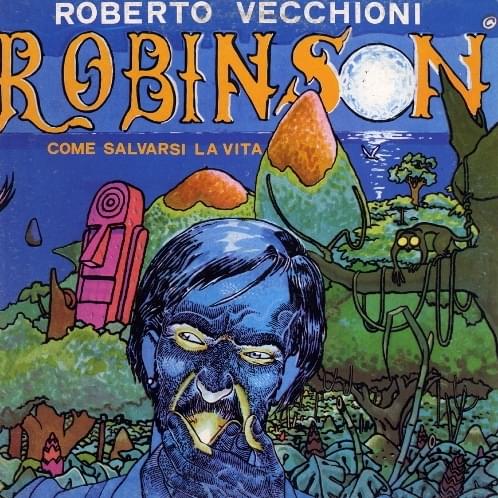
Roberto Vecchioni's "Come salvarsi la vita" isn't a survival guide; it's a sardonic shrug at the absurdity of trying to navigate existence. The song's power lies in its deceptively simple structure – a litany of futile attempts at self-preservation, each more ridiculous than the last. Vecchioni rattles off these strategies with a world-weary tone, beginning with the escapism of "a Martini" and descending into the outright moral compromise of "giurare il falso incrociando le dita" (swearing falsely with crossed fingers). The repetition of "Però salvarsela la vita" (But save your life) acts as a bitter refrain, a constant reminder of the underlying imperative even as the proposed solutions crumble into farce.
The brilliance of Vecchioni's lyrical choices lies in their banality. Saving oneself with "figurine" (trading cards) and "patatine" (potato chips) highlights the trivial pursuits we often prioritize over genuine meaning or connection. This isn't a call to grand heroism, but a commentary on the everyday compromises and distractions that shape our lives. The line about the "rimorso di arrivare soltanto quando la nave è partita" (remorse of arriving only when the ship has sailed) speaks to the pervasive fear of missing out, of constantly striving for something just beyond our reach, only to find that the opportunity has passed.
Ultimately, the song's meaning rests in its ambiguity. Is Vecchioni advocating for these absurd methods, or is he critiquing them? The answer, likely, is both. "Come salvarsi la vita" acknowledges the inherent difficulty of living a meaningful life, while simultaneously poking fun at the often-pathetic ways we attempt to cope. It's a song for those who recognize the futility of it all, but still choose to keep going, armed with nothing more than a stiff drink and a self-deprecating sense of humor. The song is not a solution, but a recognition of the problem, a shared acknowledgment of the messy, imperfect, and often ridiculous business of staying afloat.
 View Artist