Song Meaning
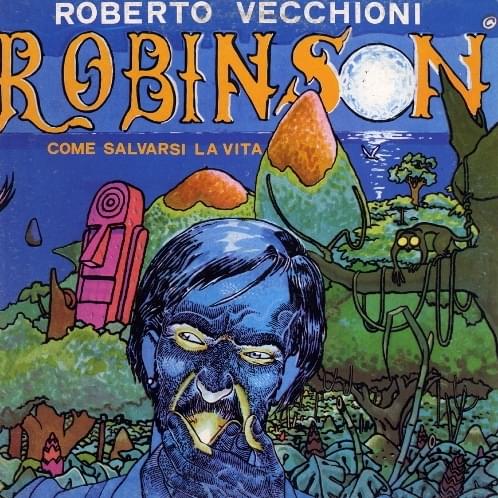
Roberto Vecchioni's "Allonsanfan" isn't just a song; it's a sardonic dissection of patriotism, exposing the raw nerve where idealism meets self-preservation. The repeated refrain, "Allonsanfan de la patrie," a twisted echo of revolutionary fervor, sets the stage for a stark exploration of how individuals compromise their principles in the name of survival. Vecchioni doesn't offer a romanticized vision of national duty. Instead, he presents a cynical, almost Machiavellian perspective on the choices people make when faced with existential threats. The title itself, derived from the French battle cry, feels laced with bitter irony. It's as if Vecchioni is daring us to examine the gap between the glorious rhetoric of national sacrifice and the messy reality of human behavior.
The lyrics detail the various ways one might attempt to "save" the homeland—or, more accurately, save oneself under the guise of saving the homeland. These methods aren't heroic acts of valor but rather acts of cowardice, betrayal, and self-deception: "Salvarsela con un ricordo" (Save it with a memory), "Salvarsela con un ritardo" (Save it with a delay), "Salvarsela con vigliaccheria" (Save it with cowardice), "Tradire tutti facendo la spia" (Betray everyone by spying). Vecchioni suggests that the instinct for self-preservation can corrupt even the noblest of intentions, leading individuals to rationalize their actions as necessary for the greater good, even when those actions are morally reprehensible. The repetition of “però salvarla perché mia” (but save it because it’s mine) underscores the possessive, almost selfish undercurrent driving these decisions.
Ultimately, "Allonsanfan" is a complex meditation on the fragility of ideals and the compromises we make to survive. The line "Scrivendo t'odio soltanto a matita" (Writing 'I hate you' only in pencil) encapsulates the song's central theme: the tentative, erasable nature of our convictions when faced with the harsh realities of power and survival. Vecchioni masterfully uses the framework of patriotic song to deliver a subversive message, questioning the very foundations upon which national identity is built. The song's enduring power lies in its unflinching honesty and its refusal to offer easy answers to difficult moral questions.
 View Artist