Song Meaning
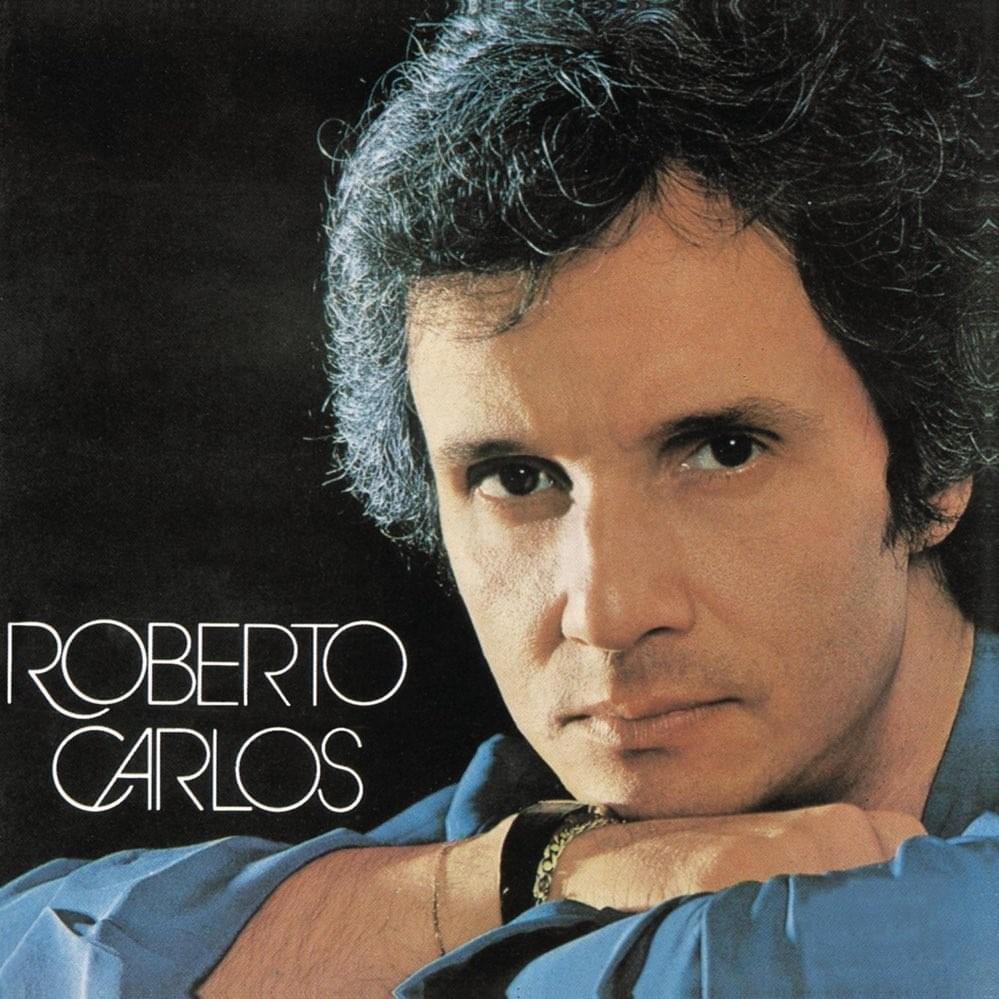
Roberto Carlos's "Voltei ao Passado" isn't just a nostalgic trip; it's a raw, exposed nerve of memory and what-ifs. The lyrics paint a portrait of a man haunted by a past relationship, a connection so potent that even time can't fully erase its imprint. He revisits shared dreams, moments co-created, suggesting a bond that transcended mere romance and became woven into the fabric of his being. The question isn't whether he remembers, but whether she does too, a universal longing for reciprocal acknowledgment. This creates a delicate tension between wanting to reconnect and fearing the potential disappointment of shattered illusions. The opening lines “Eu voltei ao passado / E lembrei de você” establish the song’s central theme: a return to the past and the memories of a lost love.
The core of the song's meaning lies in this push-and-pull dynamic. There's a profound honesty in acknowledging the difficulty of separation (“O quanto foi difícil / Me afastar”), yet also a mature acceptance that it might have been the right decision. This isn't a simple lament; it's a complex reckoning with the past, filtered through the lens of experience and the passage of time. The lyrics carefully consider the emotional risks of revisiting the past, implying that seeing sadness in her eyes would be too much to bear. This reveals a deep empathy and a desire to protect her, even at the cost of his own happiness.
Ultimately, "Voltei ao Passado" explores the enduring power of memory and its ability to shape our present. Roberto Carlos isn’t just singing about a lost love; he’s dissecting the psychological weight of choices made and paths not taken. The song’s melancholic beauty resides in its vulnerability, its willingness to confront the bittersweet reality that some connections, however profound, are destined to remain in the realm of 'what if'. The repetition of the opening lines reinforces the cyclical nature of memory, suggesting that the past is never truly gone but rather a constant presence, shaping our perceptions and influencing our desires.
 View Artist