Song Meaning
Roberto Carlos's "Você Não Sabe" is a masterclass in romantic desperation, a plea born from the chasm between expressed affection and perceived understanding. The song meaning hinges on the frustrating disconnect between the narrator's boundless devotion and the recipient's apparent inability to grasp its immensity. It's not merely about loving someone, but about the agony of feeling that love is not fully recognized or appreciated. He would reach, he sings, where only thoughts can go; he would invent a new word to express the depth of his affection. This isn't simple adoration; it's a love that transcends the limitations of language and reality. The repeated assertion, "Você não sabe" (You don't know), becomes a haunting refrain, underscoring the central theme of unacknowledged sacrifice. The lyrics hint at past 'loucuras' (craziness), extreme acts already undertaken to ensure his beloved's happiness, but even those feats seem insufficient to convey the true scale of his feelings.
The psychological complexity lies in the narrator's willingness to perpetually offer more, even at his own expense. He declares that her heart's desires outweigh his own reservations, a sentiment echoed in his readiness to endure suffering to elicit a smile. This self-sacrificing tendency speaks to a possible imbalance of power within the relationship, where his value is intrinsically linked to her happiness. The 'razões que só quem ama assim pode entender' (reasons only someone who loves like this can understand) suggests an almost martyred perspective, framing his devotion as a unique and perhaps even burdensome burden. He hints at a secret language of love, accessible only to those who have experienced such profound depths of feeling, further isolating him in his experience.
Ultimately, "Você Não Sabe" isn't just a love song; it's an exploration of the inherent vulnerability in loving deeply. The lyrics expose the raw nerve of unrequited understanding, the fear that even grand gestures can fall short of truly conveying the heart's full capacity for affection. The repetition of his willingness to do 'muito mais' (much more), even if it causes him pain, paints a portrait of a man caught in a cycle of proving his love, forever striving to bridge the gap between his internal world and the perception of his beloved. The song resonates because it taps into the universal human desire to be truly seen and understood, especially by those we cherish most.
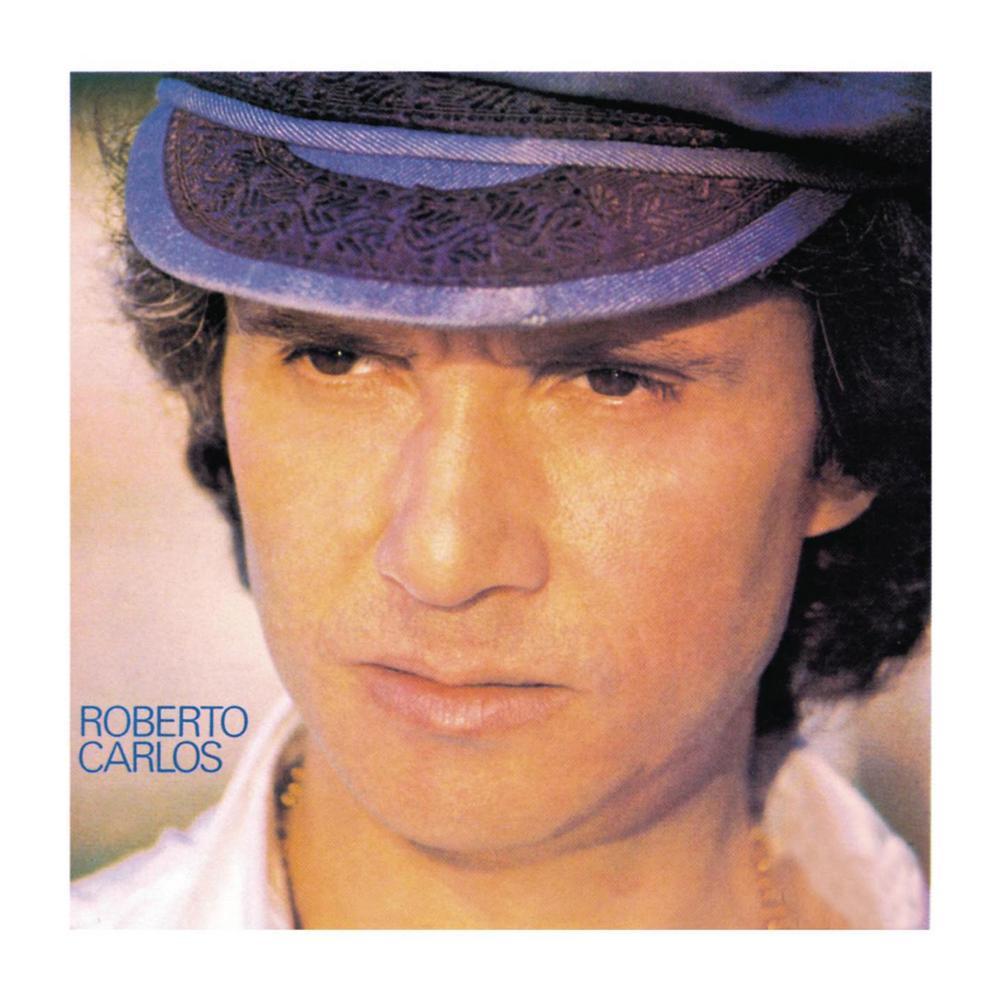
 View Artist