Song Meaning
Roberto Carlos's "Você Deixou Alguém A Esperar" is a masterclass in Brazilian heartbreak, a poignant exploration of regret and the desperate hope for reconciliation. The song's core revolves around the lingering consequences of abandonment, the titular phrase "Você deixou alguém a esperar" (You left someone waiting) acting as a haunting refrain. It's not merely about physical absence; it’s the emotional void left behind, the solitary confinement one experiences when love departs. Carlos acutely captures the pain of causing such desolation, acknowledging the tears he induced and the enduring sorrow that permeates the relationship. The rawness of the lyrics avoids self-pity; instead, it presents a vulnerable plea for forgiveness and a return to what once was. The repetition emphasizes the depth of his remorse and the unwavering commitment to waiting, however long it takes, for the wounds to heal and for love to rekindle. It's a testament to the enduring power of hope even in the face of profound sadness.
The genius of "Você Deixou Alguém A Esperar" lies in its simplicity. There are no complex metaphors or elaborate narratives, just pure, unadulterated emotion. The straightforwardness allows listeners to connect directly with the singer's pain and longing. The lyrics’ accessibility is also what makes the song so universal. Even though the song is in Portuguese, the themes of remorse, hope, waiting, and loss are universal. The repetition of the chorus, "Esqueça que já fiz você chorar, esqueça tudo e volte para mim," (Forget that I made you cry, forget everything and come back to me) underscores the desperation and the willingness to shoulder the blame. This isn't about justifying past actions; it's about acknowledging the hurt caused and striving for redemption.
Ultimately, "Você Deixou Alguém A Esperar" transcends its immediate context as a love song. It operates as a meditation on human connection and the responsibility we bear for each other's hearts. The willingness to wait indefinitely, to endure personal suffering for the possibility of reunion, speaks to a profound understanding of love's complexities. It's a stark reminder that love, in its purest form, demands sacrifice, forgiveness, and an unwavering belief in the potential for healing. Roberto Carlos captures this essence with a vulnerability and sincerity that resonates deeply, making it a timeless exploration of the human condition.
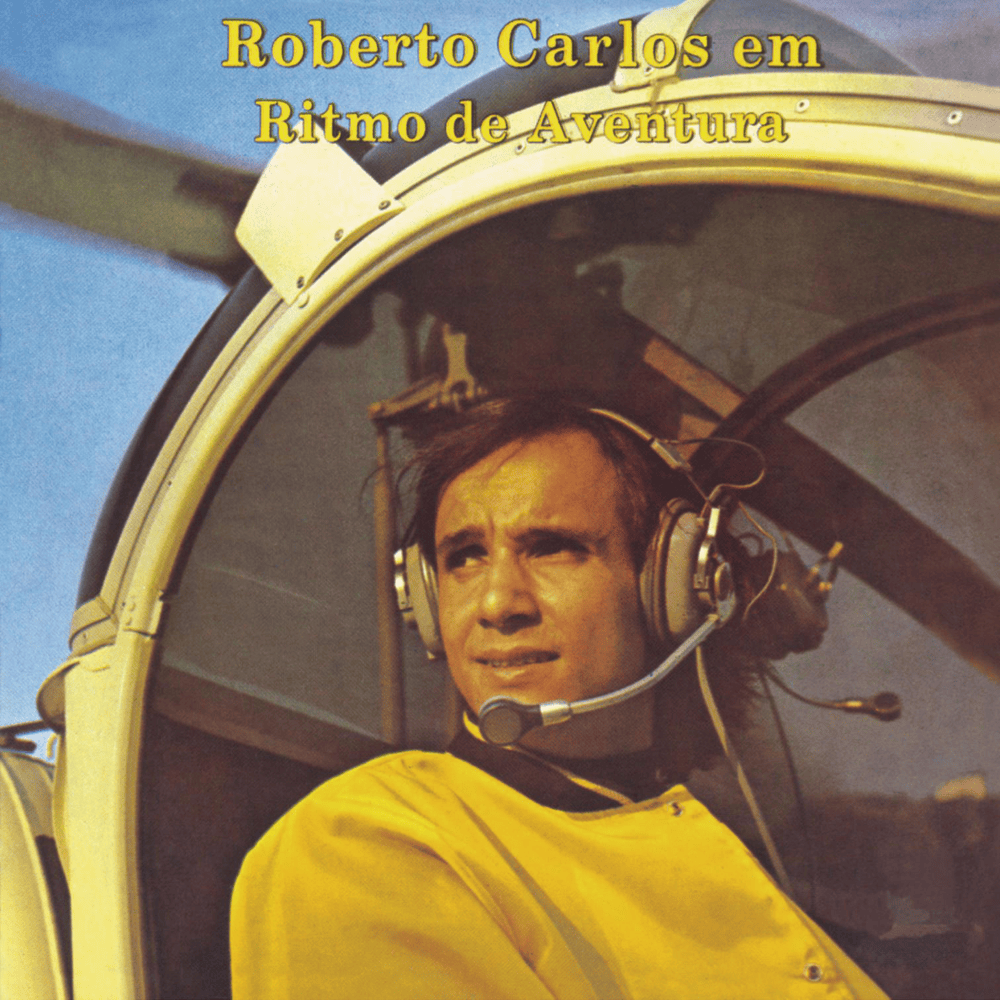
 View Artist