Song Meaning
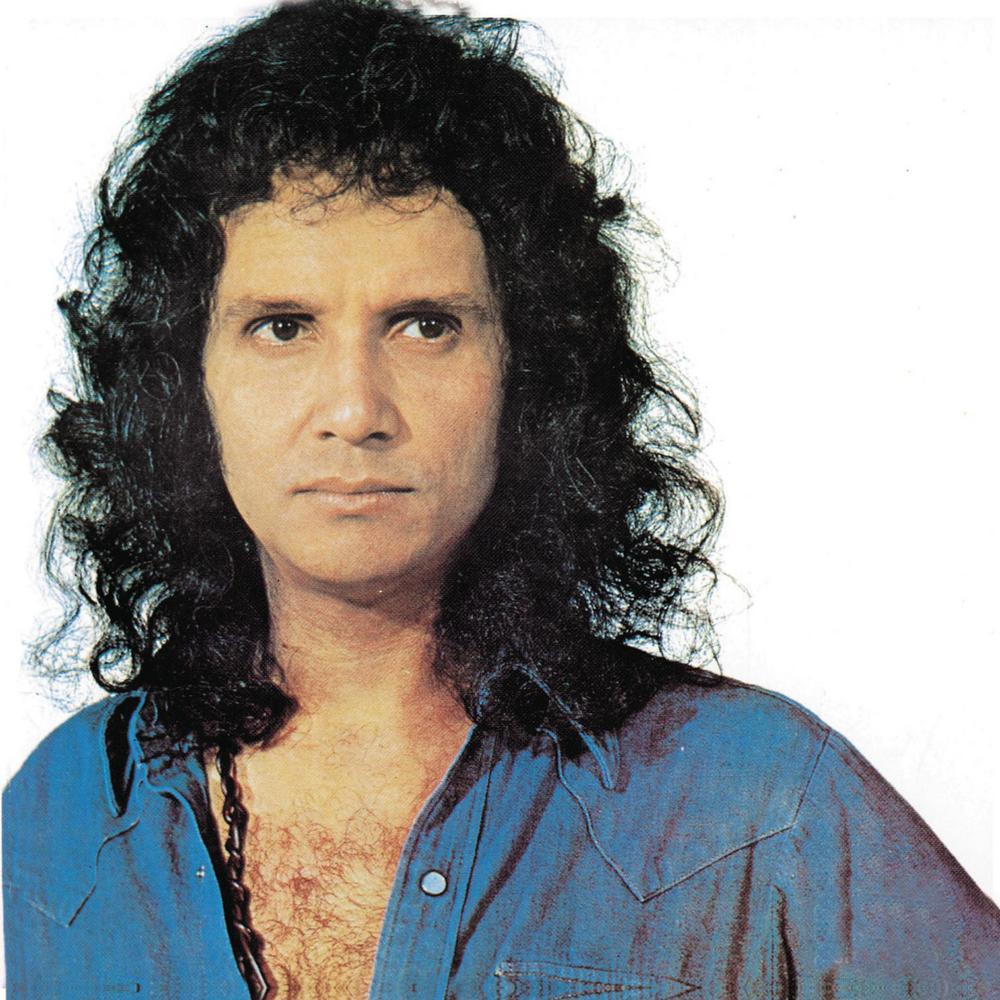
Roberto Carlos's "Ternura Antiga" is a masterclass in saudade, that uniquely Portuguese and Brazilian flavor of melancholic longing. The song's power lies not just in its beautiful melody (which is not provided), but in its unflinching portrayal of love as both a source of immense comfort and profound suffering. The opening lines immediately establish a landscape of desolation: a dark street, a cold wind, a pervasive sense of emptiness. This isn't a fleeting sadness; it's a deep-seated ache, fueled by the absence of a loved one. The genius of the lyrics is how they intertwine seemingly contradictory emotions. Distance, typically a negative force, is described as "tão amiga" (so friendly), suggesting a perverse comfort in the familiar pain of separation. And then there's the titular "ternura antiga" (ancient tenderness), a poignant reminder of a love that perhaps existed in a purer, more innocent form in the past. It's this juxtaposition that elevates the song beyond a simple lament.
Delving deeper into the lyrics analysis, we find a raw honesty about the speaker's lack of control. "Sim, eu não te amo porque quero" (Yes, I don't love you because I want to) reveals a love that has become an almost involuntary compulsion. The speaker is trapped in a cycle of longing, fully aware of the pain it inflicts, yet powerless to break free. The line "Ai, se eu pudesse esqueceria" (Oh, if I could, I would forget) is particularly heart-wrenching, laying bare the desire for release from this emotional bondage. But there's a hint of defiance, too. The speaker continues to live, solely for the hope of reunion: "Vivo e vivo só porque te espero" (I live and live only because I wait for you). This stubborn hope, however irrational, is the thread that keeps them tethered to life.
Ultimately, "Ternura Antiga" explores the complex interplay between love, loss, and the human will to endure. It's a song about the bittersweet beauty of holding onto a memory, even when that memory brings pain. The "amargura" (bitterness) and "agonia" (agony) are palpable, but they're also inextricably linked to the "ternura" (tenderness) that makes the suffering worthwhile. Roberto Carlos doesn't offer easy answers or resolutions. Instead, he invites us to sit with the discomfort, to acknowledge the enduring power of love, even in its most painful forms. The song's meaning becomes universal: a reflection on the human capacity for both immense joy and profound sorrow, often intertwined in the tapestry of our most significant relationships.
 View Artist