Song Meaning
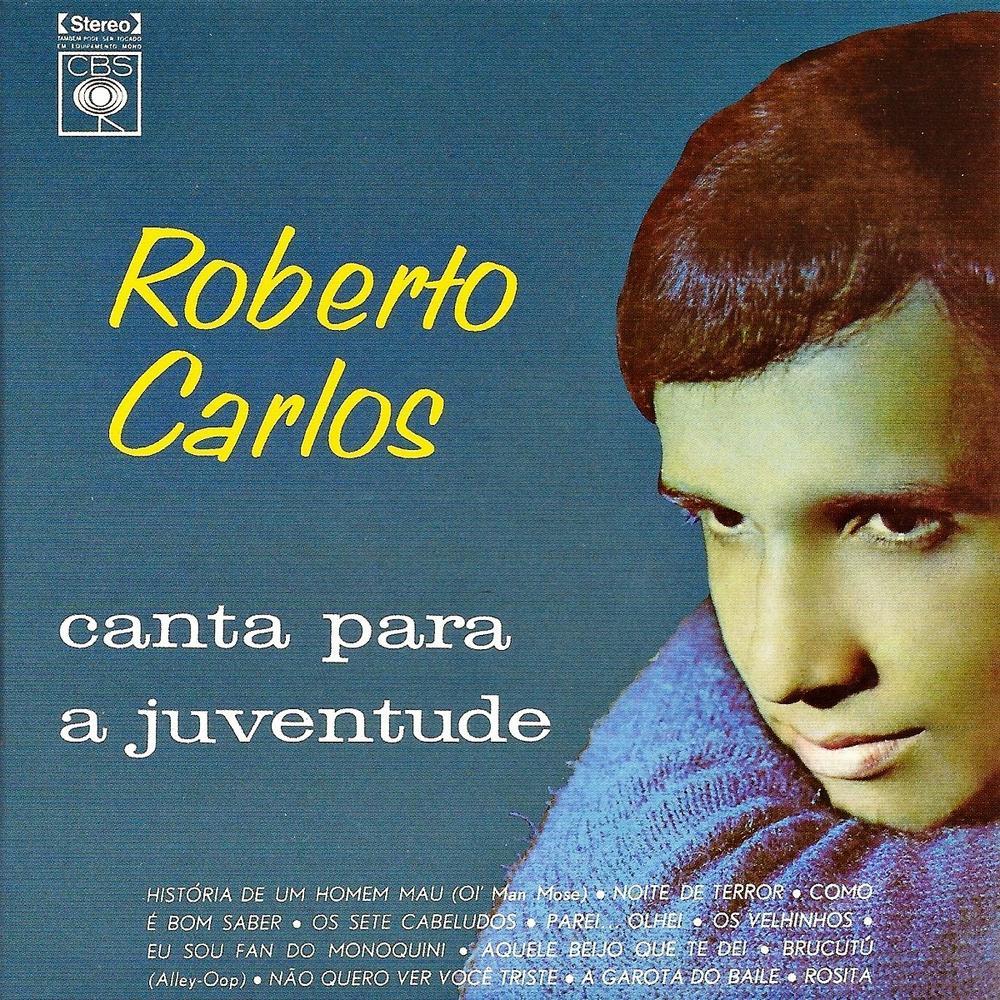
Roberto Carlos's "Os Velhinhos" isn't just a sentimental ballad; it's a concentrated shot of existential longing, disguised as a simple love song. The opening lines, tinged with uncertainty about the future ("Quando a velhice chegar / Eu não sei se terei / Tanto amor pra te dar"), immediately plant a seed of doubt. It's a mature, almost melancholic perspective rarely found in straightforward love declarations. Carlos isn't promising forever; he's acknowledging the potential for emotional depletion, the very real possibility that the well of affection might run dry with age. This vulnerability is the song's most compelling feature.
The present moment, then, becomes paramount. The repeated plea "Hoje, vem, amor, vem amar" isn't merely a romantic entreaty; it's a desperate grasp at immediacy, a recognition that love, like life itself, is finite. The lips waiting for a kiss aren't just a symbol of physical desire, but of a deeper hunger for connection in the face of inevitable decay. The song cleverly juxtaposes this urgent present with a future vision of shared memories.
The image of the couple as "velhinhos" (little old people), sharing "os segredos do amor" (the secrets of love) with their grandchildren, offers a comforting resolution. But even here, the comfort is bittersweet. The secrets, presumably hard-won and deeply personal, are being passed down, suggesting a cyclical nature to love and loss. The song meaning, at its core, explores the tension between the fleeting nature of romance and the enduring power of shared experience. It's a testament to love's ability to transcend time, even as time relentlessly marches on.
 View Artist