Song Meaning
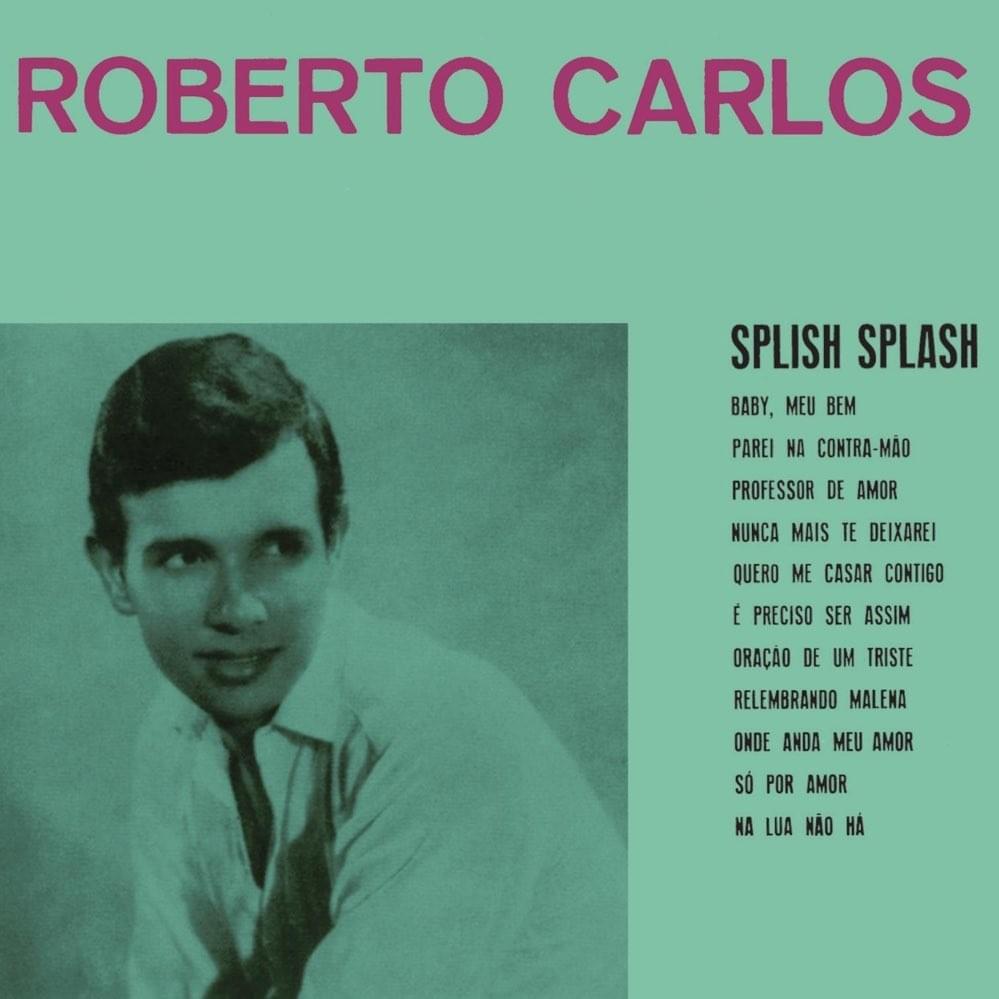
Roberto Carlos's "Oração de Um Triste" isn't just a song; it's a raw, exposed nerve of faith wrestling with despair. The track dives headfirst into a crisis of belief, presenting a narrator caught in the agonizing space between acknowledging a higher power and questioning its purpose in the face of personal suffering. The opening lines, a plea for divine forgiveness for moments of doubt, immediately sets the tone. This isn't a triumphant hymn but a fragile confession. The acknowledgment of God's creation – "o céu, a terra, o mar" – is juxtaposed with the plaintive cry, "Só não entendo porque / Eu sou tão triste" (I just don't understand why I'm so sad). It’s a stark and honest expression of existential pain.
The core of "Oração de Um Triste" revolves around this central paradox: if a benevolent God created all that is good, why does such profound sadness exist, particularly within the speaker's own experience? It's a question that has plagued theologians and philosophers for centuries, and Carlos doesn't shy away from its emotional weight. The repetition of "Sim eu sei deve haver um Deus / Sim eu sei tem que ter um Deus" (Yes, I know there must be a God / Yes, I know there has to be a God) feels less like a declaration of unwavering faith and more like a desperate attempt to cling to a lifeline in the midst of overwhelming sorrow.
Ultimately, the power of "Oração de Um Triste" lies in its vulnerability. It doesn't offer easy answers or religious platitudes. Instead, it invites listeners to confront the uncomfortable reality of doubt and the inherent tension between faith and personal suffering. The concluding lines, repeating the conditional "Se existe um bem / Se Deus existe / Se Deus existe" (If there is good / If God exists / If God exists), leave the listener suspended in uncertainty, mirroring the narrator's own unresolved struggle. This song’s meaning isn’t about finding resolution, but about the very human act of grappling with profound questions of existence.
 View Artist