Song Meaning
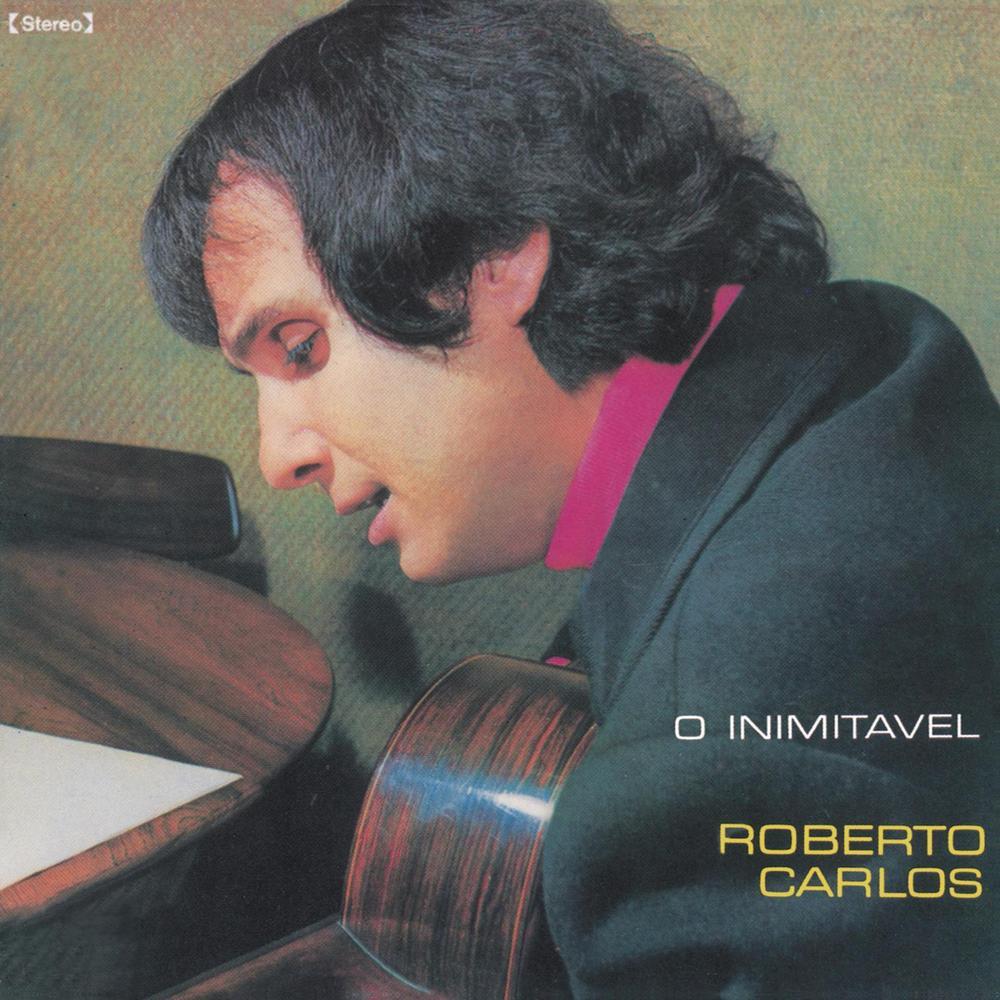
Roberto Carlos, the king of romantic ballads, delivers a stark emotional truth in "Não Há Dinheiro Que Pague" (There's No Money That Can Pay). The song’s core meaning revolves around the painful realization that material wealth is a hollow substitute for genuine human connection. It’s a sentiment that cuts deep, especially in a culture often obsessed with financial success. Carlos doesn't just state this fact; he embodies the journey of a man humbled by absence. He initially believes he can casually walk away from a relationship, confident in his self-sufficiency. This is a common defense mechanism, a way of shielding oneself from vulnerability by feigning indifference.
However, the lyrics reveal the profound impact of separation. The singer admits that only in the absence of his loved one did he truly understand their value. The recurring line, "Não há dinheiro no mundo / Que me pague a saudade de você" (There's no money in the world that can pay for the longing for you), becomes a powerful mantra. "Saudade," a uniquely Portuguese and Brazilian term, encapsulates a deep, melancholic longing for someone or something that is absent. It's a feeling that transcends simple sadness, carrying a weight of nostalgia and love. The repetition emphasizes the depth of this realization.
The song doesn't wallow in despair. Instead, it finds redemption in reunion. The singer acknowledges his mistake and recognizes the 'punishment' of separation as a crucial learning experience. "Não Há Dinheiro Que Pague" is ultimately a testament to the irreplaceable value of love and connection, a lesson learned through the painful crucible of absence. It’s a mature reflection on the human condition, reminding us that some things are simply beyond price. The song’s meaning resonates because it taps into a universal fear: the fear of losing what truly matters in the pursuit of fleeting, material gains.
 View Artist