Song Meaning
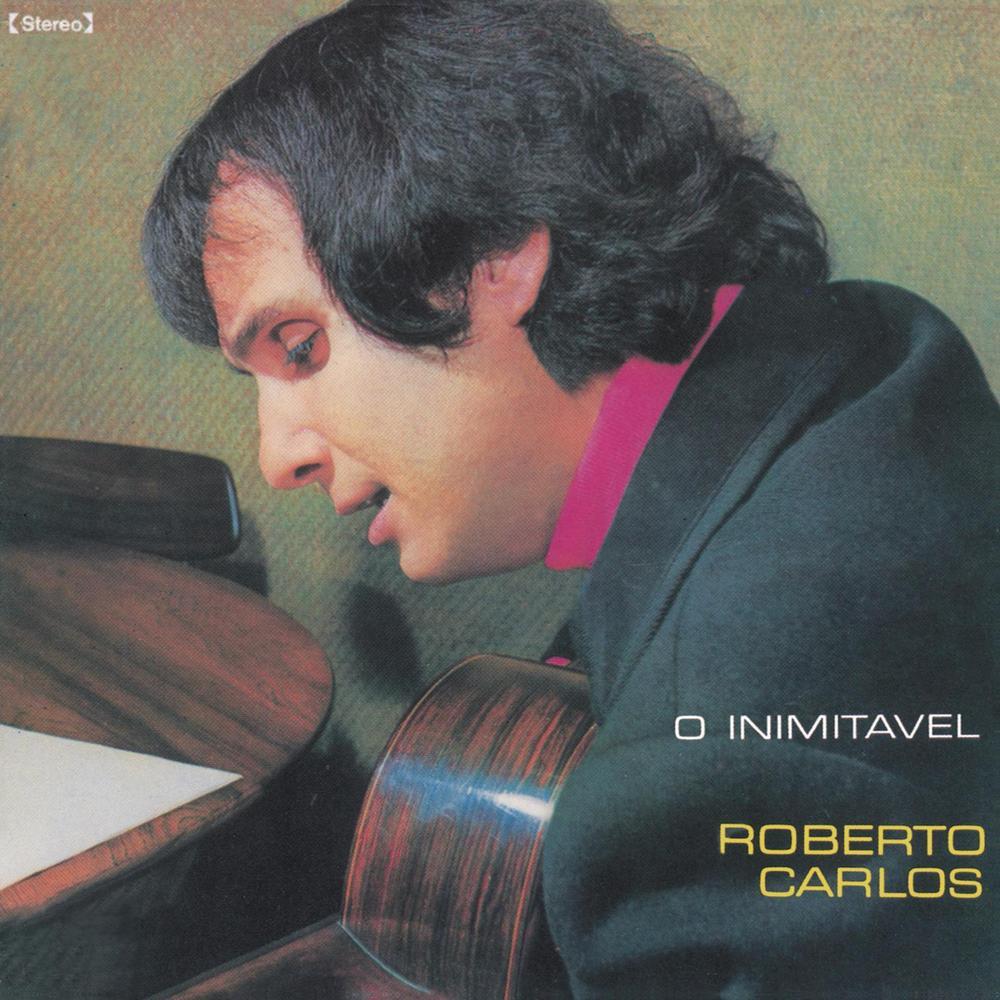
Roberto Carlos's "Madrasta" isn't a fairy tale of wicked stepmothers; it's a tender, almost vulnerable invitation. The song meaning resides in the speaker's yearning for connection, a plea for acceptance within a newly formed family structure. He welcomes his stepmother not with resentment, but with an open heart, offering her the solace of 'nossa casa' (our house) and the tranquility of 'o vale verde' (the green valley). The lyrics analysis reveals a poignant backstory of loneliness. He confesses to always having 'andou tão só na vida' (walked so alone in life), suggesting a deep-seated need for familial bonds. This isn't just politeness; it's a desperate hope for a turning point.
The repetition of 'Minha madrasta, bem vinda' (My stepmother, welcome) takes on a mantra-like quality. It's as if he's willing this acceptance into existence, reinforcing the welcome not just for her benefit, but for his own. The phrase 'Onde me escondo dos medos' (Where I hide from fears) is particularly telling. The house and, by extension, the stepmother, represent a sanctuary, a place where he can shed his anxieties and find peace. This isn't about replacing a lost mother figure; it's about finding a new source of comfort and stability. The 'varanda' (veranda) symbolizes a liminal space, a threshold between the outside world and the safety of home, and a safe space to share his fears with her.
The most striking line is 'Que seja o nosso encontro / O ponto, o sol de um novo dia' (May our meeting be / The point, the sun of a new day). This is the crux of the song’s emotional weight. He's not just hoping for a harmonious relationship; he's pinning his hopes on this new connection to illuminate his life, to bring warmth and light where there was once only solitude. The stepmother isn't just an addition to the family; she's a potential catalyst for profound personal change, a sunrise after a long night. Roberto Carlos beautifully captures that fragile hope in "Madrasta."
 View Artist