Song Meaning
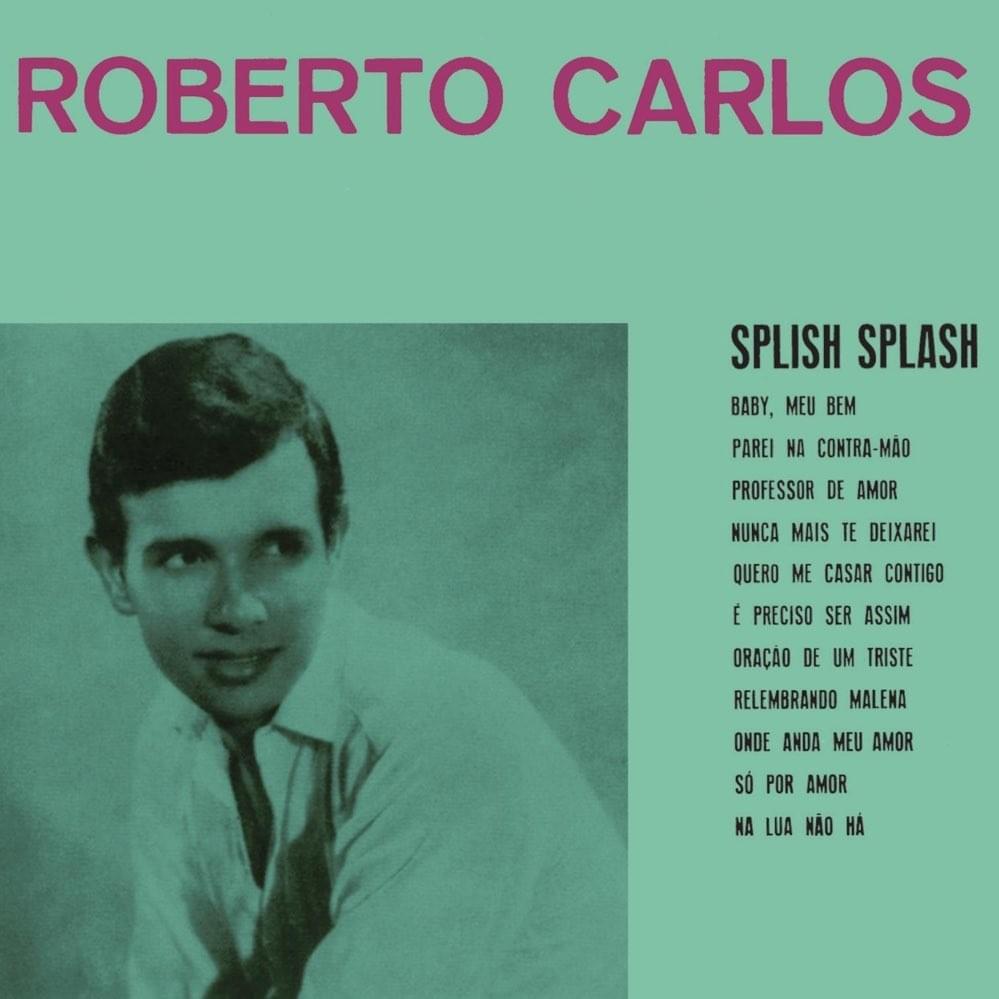
Roberto Carlos, the king of Brazilian romantic music, lays bare a delicate emotional negotiation in "É Preciso Ser Assim." The surface simplicity of the lyrics belies a deeper exploration of vulnerability and the unspoken rules of love. Carlos doesn't just sing about love; he dissects the precarious balance between expressing feelings and maintaining the idealized image of a relationship. The opening lines immediately establish a sense of unease. He acknowledges the listener's dissatisfaction, hinting that their love might be nearing its end. This isn't a declaration of heartbreak, but rather a preemptive strike, a subtle expression of his own fear of rejection disguised as concern for the other person's well-being. The core of the song meaning resides in the almost paradoxical statement: "É preciso ser assim pra se sentir feliz" (It is necessary to be like this to feel happy).
Carlos suggests that true happiness within a relationship demands a certain level of transparency and honesty. The verses that describe how someone in love "sees good in everything" and "forgets that evil exists" paint a picture of naive idealism. He implies that this kind of blind optimism is unsustainable and, perhaps, even inauthentic. By contrasting this idealized vision with the need to express oneself openly, even when those expressions are negative, Carlos challenges the listener (and himself) to embrace a more realistic and potentially more resilient form of love. It's a mature perspective, acknowledging that sadness and discomfort are inevitable parts of any deep connection.
The repeated phrase, "Se você está achando isso muito ruim" (If you are finding this very bad), acts as both a plea and a challenge. Is he seeking reassurance that his vulnerability won't be punished? Or is he testing the boundaries of the relationship, pushing his partner to accept a more nuanced version of himself? "É Preciso Ser Assim" isn't just a love song; it's a quiet manifesto for emotional honesty, suggesting that true happiness lies not in suppressing negative feelings, but in daring to voice them, even at the risk of causing discomfort. It's a sentiment that resonates far beyond the realm of romantic relationships, touching upon the universal human need for authentic connection.
 View Artist