Song Meaning
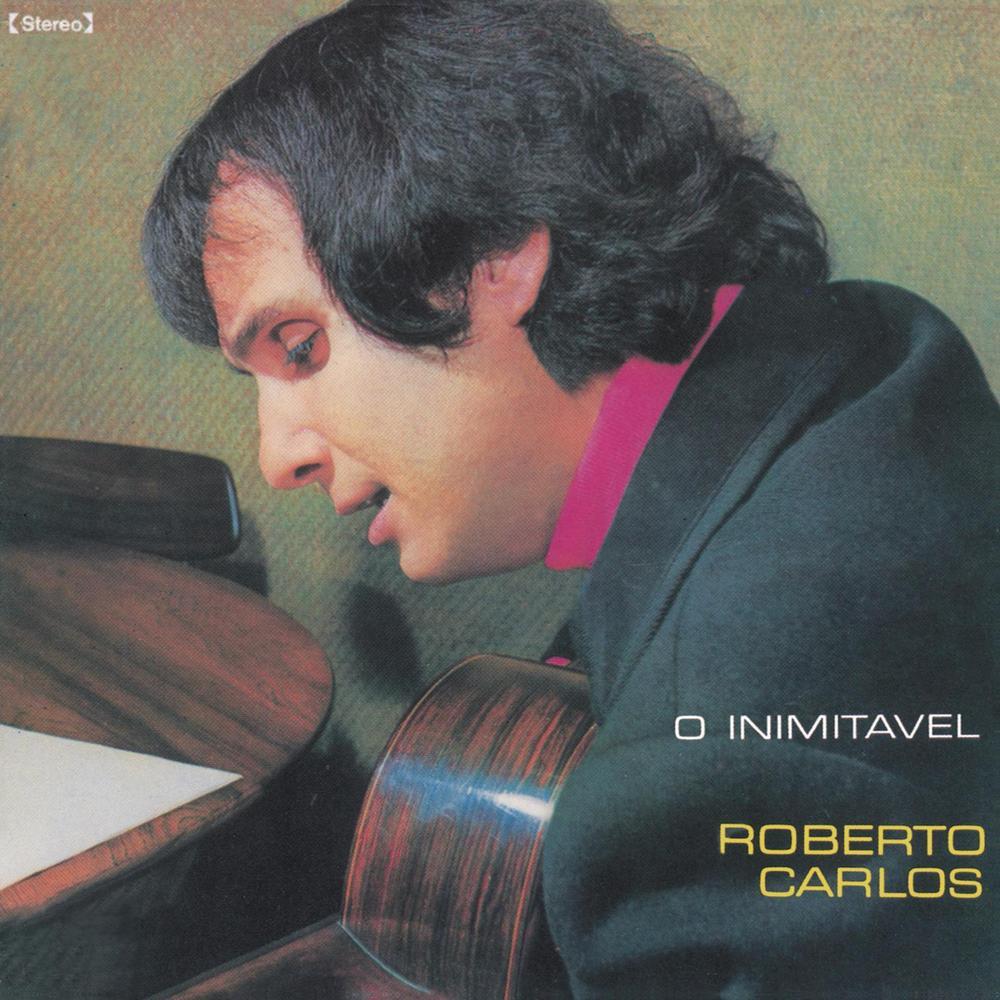
Roberto Carlos, the king of Brazilian romantic music, delivers a potent dose of longing and hope in "E Não Vou Mais Deixar Você Tão Só." The song, a classic expression of *saudade* intertwined with a determined optimism, speaks to the shared human experience of loneliness and the yearning for connection. The opening lines paint a portrait of a life spent waiting for love, marked by tears and a sense of hopelessness. Carlos immediately establishes a profound empathy, revealing that he, too, has wandered a solitary path, withholding his affection in the absence of a worthy recipient. This shared solitude forms the bedrock of the song's emotional appeal. It's an acknowledgment that the listener's pain is understood, validated by the artist's own experience. The lyrics suggest that the singer's emotional state is at a breaking point. The lines "Vou confessar então, meu coração / Não quer mais existir" imply a deep weariness, a soul-crushing fatigue born from prolonged isolation.
The turning point in "E Não Vou Mais Deixar Você Tão Só" arrives with a resolute decision: no more solitary suffering. The singer declares, "Eu vou buscar o meu amor, o meu amor." This isn't a passive wish; it's an active pursuit, a commitment to finding love and companionship. The shift from despair to determination is palpable, injecting the song with a renewed sense of purpose. The phrase "Eu nunca tive alguém, agora vou" carries a weight of past loneliness, making the future prospect of love all the more meaningful. It's a declaration of intent, a promise to seize the opportunity for connection. The lyrics analysis reveals a powerful shift in perspective, a refusal to succumb to the weight of past disappointments.
The repeated refrain, "Que nunca mais eu vou deixar você tão só / E nunca mais eu vou deixar você tão só / E nunca mais eu vou ficar também tão só," solidifies the commitment to mutual support and shared existence. The singer offers not just romantic love but also a promise to alleviate the other person's loneliness, and, in doing so, to escape his own. The act of giving and receiving love becomes intertwined with the alleviation of loneliness, creating a powerful bond. The song’s genius lies in its simplicity and directness. It doesn’t rely on complex metaphors or abstract imagery; instead, it speaks directly to the heart, offering a message of hope and the promise of a future free from the pain of solitude. It is a testament to the enduring power of love and connection in overcoming the most profound human experiences.
 View Artist