Song Meaning
Roberto Carlos's "Coração Sertanejo" isn't just a song; it's a homecoming, a deeply personal reclamation of place and belonging. The opening lines, "Andei, andei, andei/Até encontrar," immediately establish a narrative of searching, a quest that culminates not in material wealth or worldly achievement, but in the simple, profound discovery of 'a beautiful love' that grounds the singer. This love isn't necessarily romantic; it's a love for a specific environment, a connection to the "coração do sertão" (heart of the backlands) itself. The lyrics portray a yearning satisfied, the restlessness of modern life quelled by a return to roots.
The song's power lies in its embrace of simplicity and authenticity. It avoids grand pronouncements, instead focusing on the tangible details of sertanejo life: cowboys ("peão de boiadeiro") practicing their craft, the ever-present potential for challenge and hardship ("desafios"), and the comfort of community found around a fire at day's end. The "violeiro" (guitar player) becomes a symbol of shared dreams and collective memory, his music weaving a tapestry of connection that transcends individual experience. This isn't just about finding a physical location; it's about finding a psychological and emotional center.
"Coração Sertanejo" subtly critiques the alienation often associated with modern existence. The repeated assertion that "Aqui não se vê tristeza" (Here one does not see sadness) isn't a naive denial of hardship, but a powerful statement of resilience and a conscious choice to focus on the positive aspects of life. The heart of the backlands, then, becomes a refuge, a space where genuine connection to nature and community provides a buffer against the anxieties of the outside world. Roberto Carlos, in this song, invites us to consider the value of simplicity, connection, and the profound sense of belonging that can be found in returning to one's roots, both literally and figuratively.
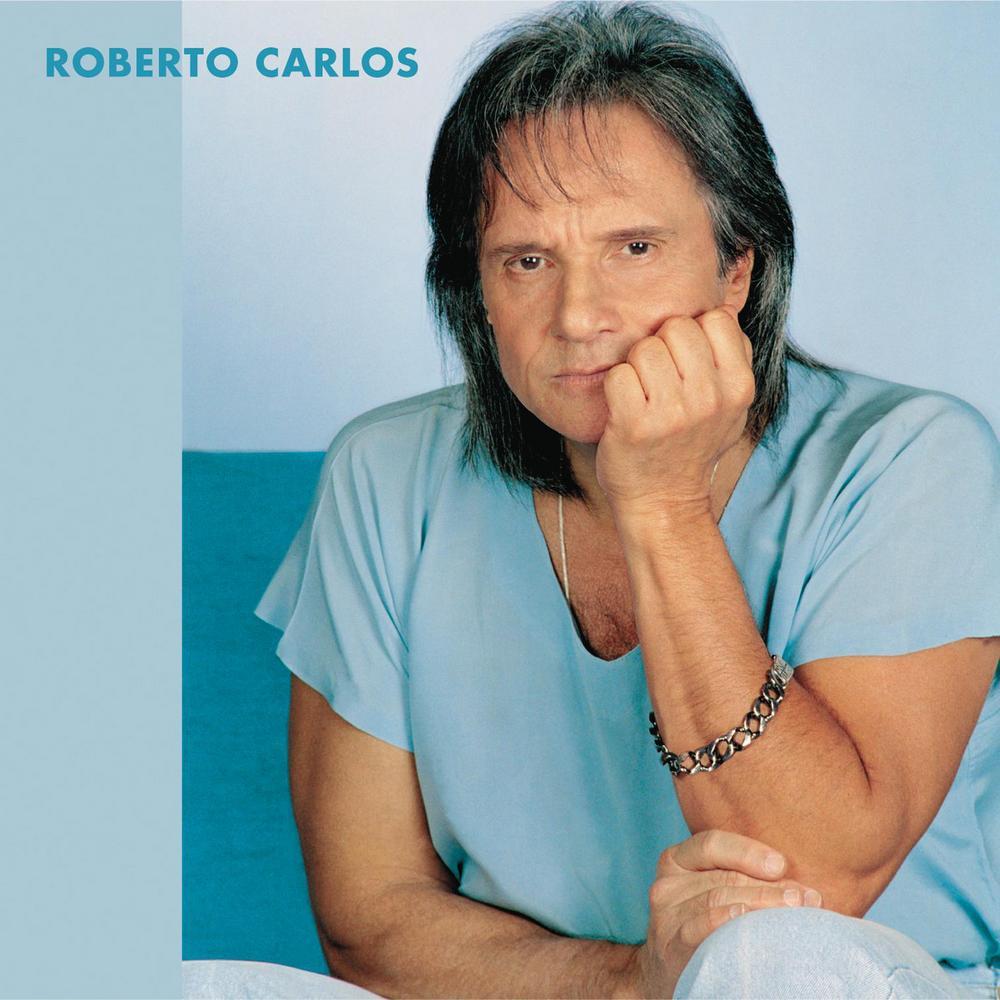
 View Artist