Song Meaning
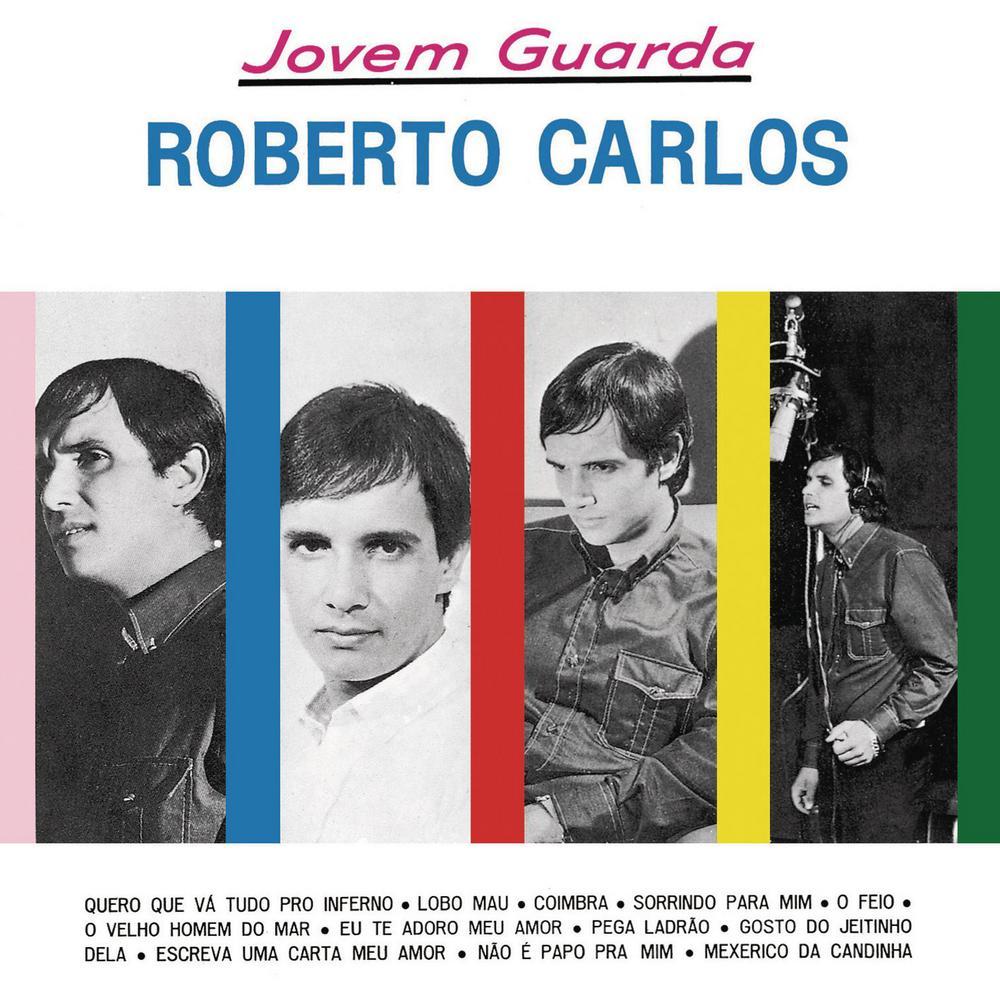
Roberto Carlos's "Coimbra" functions as a love letter not to a person, but to a place, specifically the Portuguese city of Coimbra, steeped in history and academic tradition. The song's meaning revolves around the romantic idealization of this city as a wellspring of love, learning, and cultural identity. It's a complex portrait, painting Coimbra as both a physical location and an emotional landscape. The lyrics evoke a sense of longing and nostalgia, suggesting that Coimbra represents a profound connection to the past and a source of national pride. The reference to Inês de Castro, whose tragic love story is deeply entwined with Coimbra's history, immediately establishes a tone of romantic tragedy and enduring passion. This historical anchor elevates the song beyond a simple travelogue. It speaks to how places become repositories of collective memory and emotion. The song imbues the city with a quasi-mythical status.
"Coimbra" elevates the city's university to a symbolic center of knowledge and emotion. The lyrics blur the lines between academic pursuits and matters of the heart. The "lente" (lecturer) becoming a "canção" (song) suggests that learning itself is a form of art and expression. The line "O livro é uma mulher" (the book is a woman) implies that knowledge and love are intertwined, each offering its own form of enlightenment and fulfillment. This intertwining reflects a sophisticated understanding of how intellectual and emotional experiences shape our understanding of the world. It cleverly uses the metaphor of academic life to explore universal themes of love, loss, and the search for meaning.
Ultimately, the song’s meaning distills to the concept of "saudade," a Portuguese term for a deep emotional state of nostalgic or profoundly melancholic longing for an absent something or someone that one loves. The lyrics emphasize that learning to express "saudade" is the true education offered by Coimbra. This elevates the city to a place where one learns not just facts and figures, but also how to feel deeply and connect with the past. The song posits that true understanding comes not just from intellectual knowledge, but from experiencing the full spectrum of human emotion, particularly the bittersweet ache of longing. Roberto Carlos’s rendition transforms Coimbra into a timeless emblem of Portuguese identity and the enduring power of memory and emotion.
 View Artist