Song Meaning
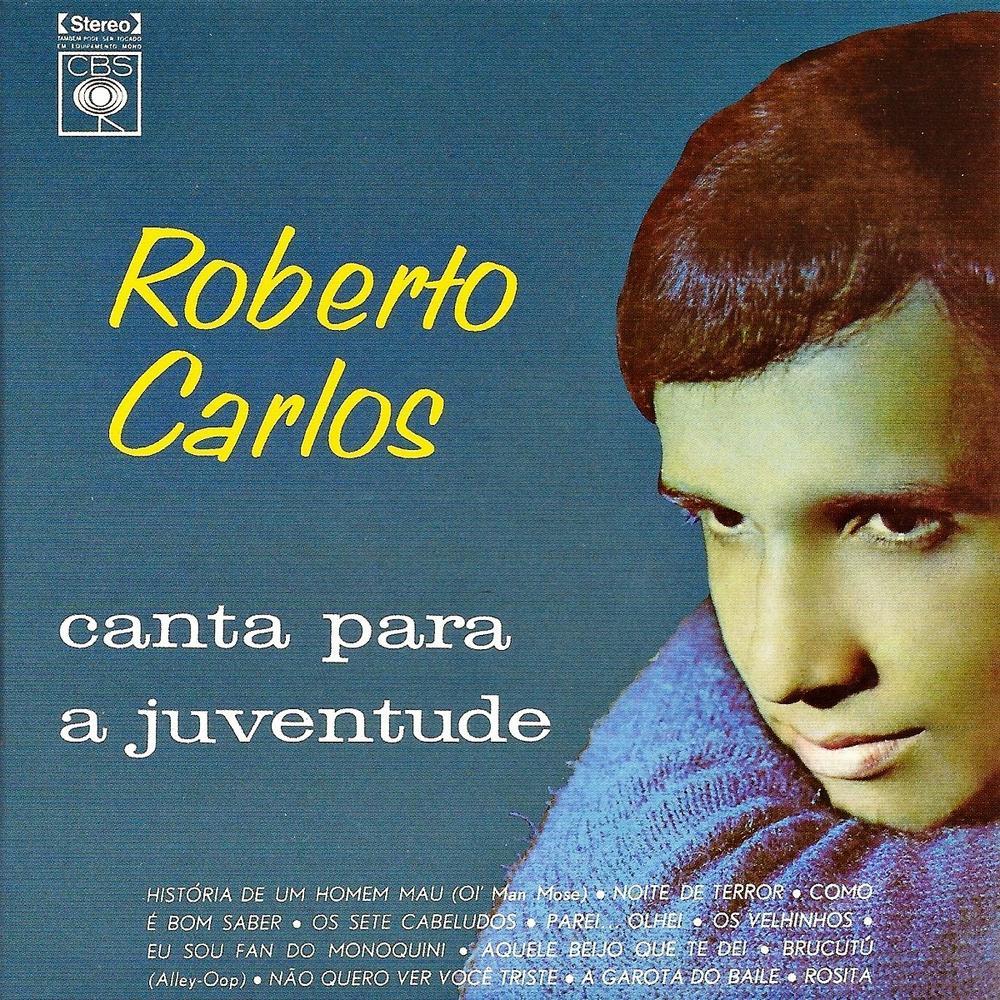
Roberto Carlos's "Aquele Beijo Que Te Dei" isn't just a nostalgic glance backward; it's a masterclass in melancholy, dissecting the lingering power of a single kiss. The repeated phrase, "Aquele beijo que te dei / Nunca, nunca mais esquecerei" anchors the song, transforming a fleeting moment into an eternal echo. It's not just about the kiss itself, but the chasm it represents – a before-and-after line drawn starkly in the singer's emotional landscape. That kiss serves as a potent symbol of a love now lost, a phantom limb that continues to ache long after its amputation. The "lua testemunha tão vulgar" line is especially cutting; the moon, typically a romantic symbol, is here rendered commonplace, almost mocking the intimacy that once existed.
The song's emotional core resides in the stark contrast between remembrance and reality. Carlos doesn't shy away from the pain, confessing, "Lembro de você e fico triste / Até me dá vontade de chorar." This raw vulnerability elevates the track beyond simple pining; it becomes an exploration of grief and the struggle to reconcile idealized memories with the harsh truth of absence. The repetition of "Não mais existe, mas eu sempre hei de te amar" highlights the paradox at the heart of enduring love – the ability to maintain affection even when the object of that affection is gone, changed, or unattainable. This is the bittersweet core of the song meaning.
Ultimately, "Aquele Beijo Que Te Dei" functions as a testament to the enduring power of memory and the complex ways we process loss. It's a reminder that even small moments, like a single kiss, can leave an indelible mark on our hearts, shaping our understanding of love and loss long after the moment has passed. Roberto Carlos uses this simple, almost cyclical lyrical structure to drive home a point: some emotional wounds never fully heal, and sometimes, the most profound love is the love that can never be relived.
 View Artist