Song Meaning
Roberto Carlos's "Ai Que Saudades da Amélia" is less a love song than a stark, even brutal, cultural commentary disguised as nostalgic longing. The singer laments the perceived materialism and demanding nature of his current partner, contrasting her sharply with the idealized figure of Amélia. This isn't simply a case of 'the good old days'; it's a pointed critique of changing societal values, particularly concerning gender roles and the pursuit of wealth. The lyrics drip with resentment toward a woman who "only thinks of luxury and riches," a stark foil to Amélia, who apparently found beauty in shared poverty. This dichotomy is the crux of the song's meaning. It’s not about missing a specific person, but about mourning a perceived loss of virtue and simplicity. The repeated refrain, "Amélia had no vanity / Amélia was a real woman," drives home this message with relentless force. Carlos isn't just remembering a woman; he's weaponizing her memory.
The psychological underpinnings of "Ai Que Saudades da Amélia" are complex. The singer's idealization of Amélia borders on the unrealistic. Her ability to find beauty in hunger and offer unwavering support ("My son, what can be done?") suggests a saintly, almost superhuman figure. This elevation of Amélia serves to amplify the perceived flaws of his present partner. It speaks to a potential insecurity and a longing for a simpler time, a time when traditional gender roles were more clearly defined and, in his view, more virtuous. The song subtly hints at a power dynamic; the singer positions himself as a "poor boy" overwhelmed by the demands of a modern woman. This vulnerability, whether genuine or performative, adds another layer to the song's already dense emotional landscape.
Beyond the personal, "Ai Que Saudades da Amélia" touches upon broader societal anxieties surrounding modernization and the changing roles of women. The song's enduring popularity in Brazil suggests that its themes resonate deeply with a collective sense of nostalgia and perhaps even a resistance to evolving social norms. The Roberto Carlos lyrics function as a cultural touchstone, sparking debate about tradition, progress, and the complexities of male-female relationships. While seemingly a simple expression of longing, the song cleverly encapsulates a far more intricate web of cultural and psychological tensions.
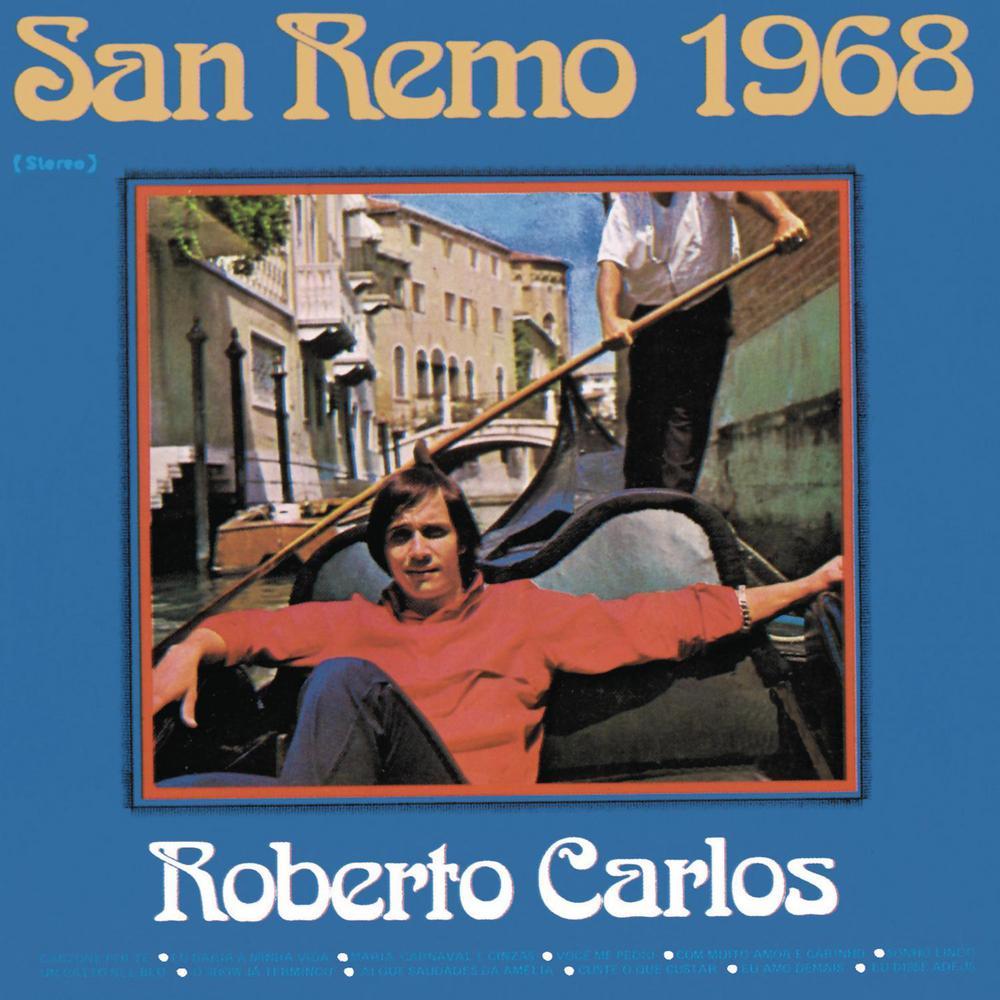
 View Artist