Song Meaning
Roberto Carlos's "A Deusa da Minha Rua" isn't just a love song; it's a poignant study in idealized infatuation and class disparity, wrapped in the romantic language of Brazilian music. The lyrics paint a vivid picture of a woman, elevated to almost divine status, whose presence transforms the mundane into something extraordinary. The 'goddess' of his street isn't just beautiful; she's a source of light and intoxication, capable of turning a simple street into a 'landscape of celebration.' This transformation speaks to the power of the human imagination to find beauty and hope, even in the most ordinary of circumstances, a kind of projection fueled by longing. However, the song meaning quickly turns melancholic.
The idealized portrait is juxtaposed with the stark reality of the narrator's social standing. The 'puddle in the street,' reflecting the sky, becomes a mirror of his own sorrow and the chasm between him and his object of affection. This contrast—heaven in a puddle—effectively illustrates the emotional turmoil of unrequited love. He acknowledges the futility of his dreams, confessing, 'She is so rich and I so poor, I am a commoner and she is noble, it is not worth dreaming.' This isn't just about economic difference; it's about perceived worth and belonging, a deeply ingrained sense of social hierarchy. The lyrics analysis reveals a profound sense of resignation.
Ultimately, "A Deusa da Minha Rua" explores the psychological complexities of desire, where the fantasy of love collides with the harshness of reality. The repetition of 'Unhappy is my sorrow, my eyes are puddles, dreaming of her gaze' reinforces the cyclical nature of his longing and despair. Roberto Carlos masterfully captures the universal experience of yearning for something unattainable, tinged with the specific anxieties of social inequality. It's a bittersweet reflection on the power of dreams and the pain of their inevitable shattering.
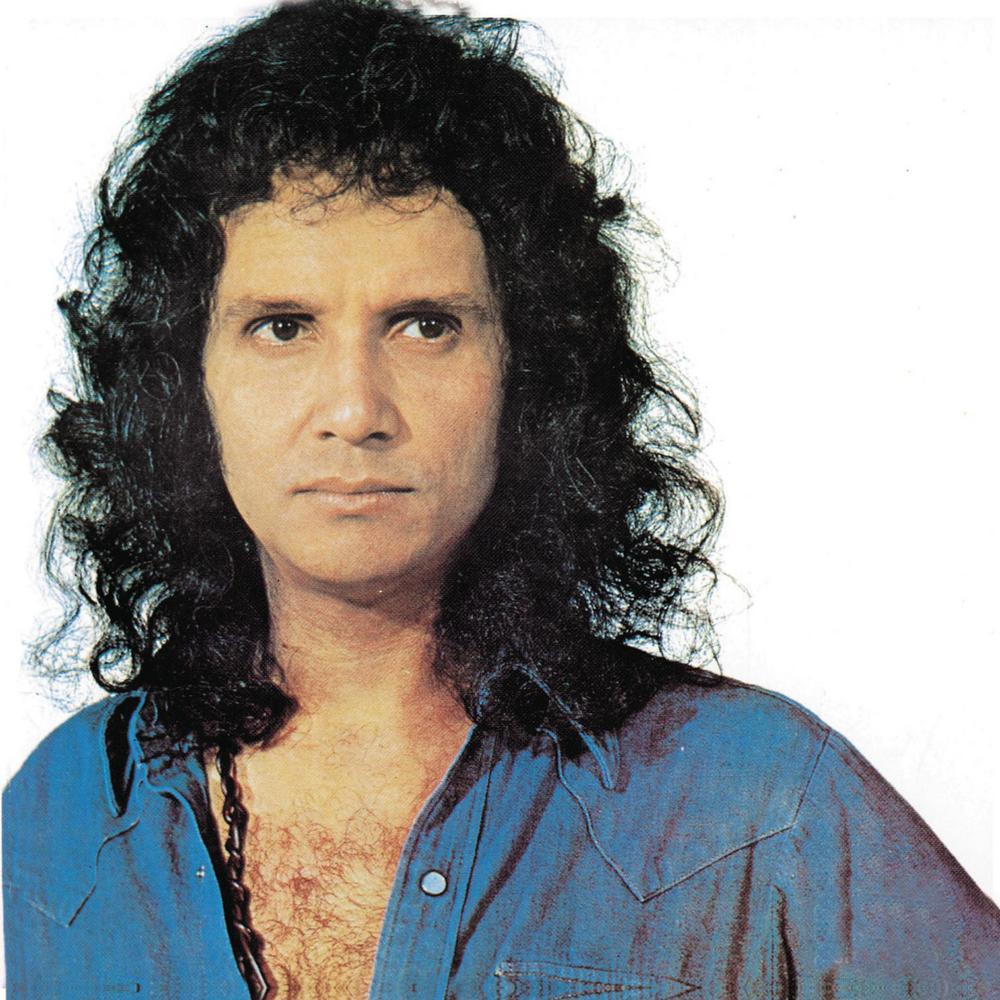
 View Artist