Song Meaning
This track opens with a series of unmet expectations, painting a picture of a situation that was supposed to be mundane and controlled. The narrator lists what *should* have happened: a toy in hand, rain in summer, something entirely normal. These initial lines establish a sense of order that is about to be disrupted, setting the stage for something unexpected to take hold. The repetition of "Era pra ser" (It was supposed to be) underscores a deliberate attempt to keep things predictable and emotionally distant.
The core tension arises from the contrast between this planned normalcy and the overwhelming force of love. The lyrics shift from what was *supposed* to be to what *is*, acknowledging that the heart has taken over. The narrator admits, "Mas o amor é quem tem razão" (But love is the one who is right), suggesting a surrender to feelings that defy logic and prior intentions. This love isn't just a mild inconvenience; it's described as "tão fatal" (so fatal), hinting at its profound, perhaps even destructive, impact.
The most striking imagery arrives with the storm and the stopped clock. The "Quando o relógio parou / Por conta do temporal" (When the clock stopped / Because of the storm) marks a definitive break from the expected timeline. This disruption, however, doesn't lead to despair but to a vibrant, chaotic celebration. The arrival of the afternoon "Pra nós, feito carnaval" (For us, like carnival) transforms the unexpected into an ecstatic, uninhibited experience. The storm, which could have been a disaster, becomes the catalyst for an explosion of joy and passion, mirroring the unpredictable nature of love itself.
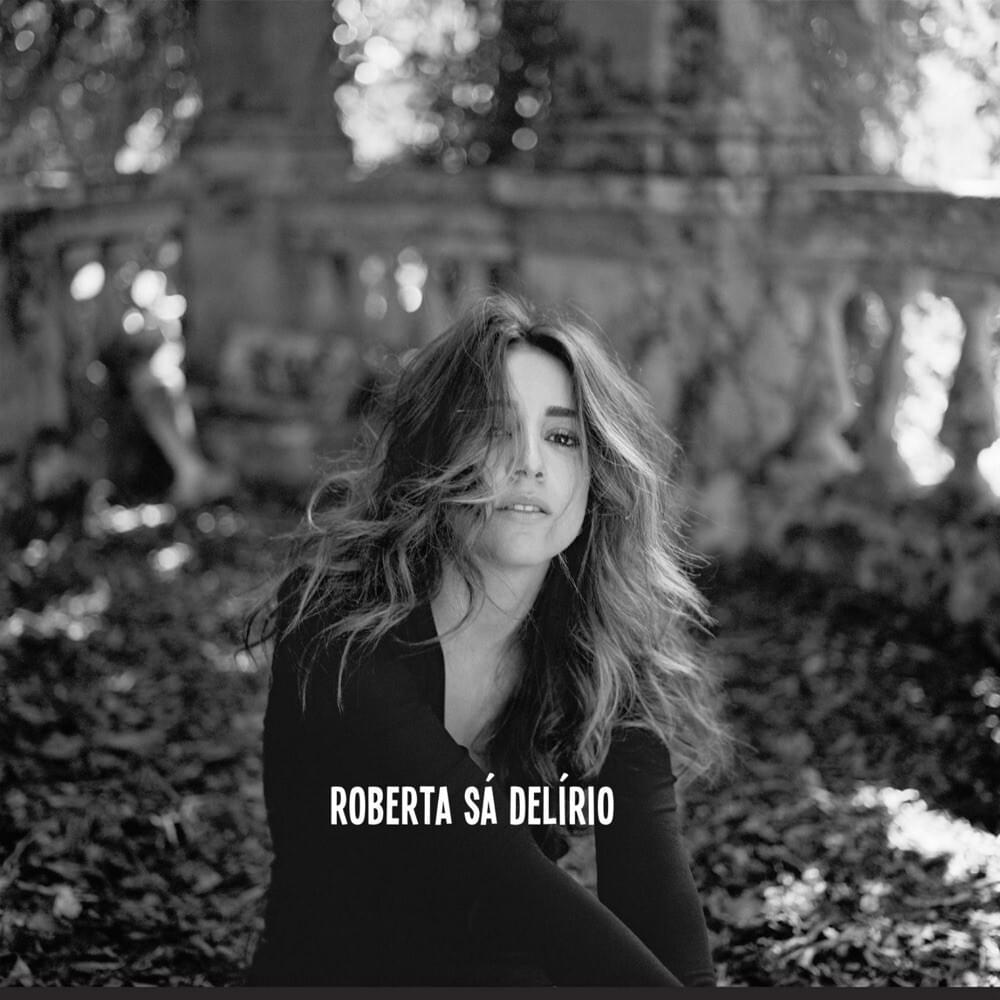
 View Artist