Song Meaning
These lyrics plunge us into a moment of raw, unbidden grief. The speaker is caught off guard, suddenly "chorando" as "A paixão detona o meu peito." It's an immediate, almost violent emotional explosion, leaving no room for composure.
The central tension here is the profound, aching loss of a vital presence. The repeated plea, "Sol da minha vida / Como é que eu pude te perder," frames the lost person as the very light and warmth of existence. The rhetorical questions, "Pra que a dor ferida?" and the stark declaration "A saudade mata," underscore a desperate search for meaning in unbearable pain, highlighting a longing so intense it feels fatal.
What truly elevates these lyrics is their unflinching portrayal of contradictory emotions. The speaker grapples with a "misto de ternura," yet labels it a "doença e não tem cura." They question if it's "paixão ou é loucura," admitting to feeling both "Raiva e prazer." This complex emotional landscape isn't simplified; instead, it's presented as a chaotic, authentic swirl of conflicting feelings that often accompany profound loss.
Ultimately, the lyrics become a testament to music's power and the enduring, complicated state of the heart. The lines "Todos os acordes dessa canção / Se tornam mágicos / Para a minha solidão" suggest a self-awareness, an acknowledgment that the very act of expressing this pain through song offers a strange solace. The final image of the heart—"Atrevido, dividido, inibido / Esperando você"—is a masterclass in emotional nuance, capturing a persistent, hopeful vulnerability even amidst such deep despair.
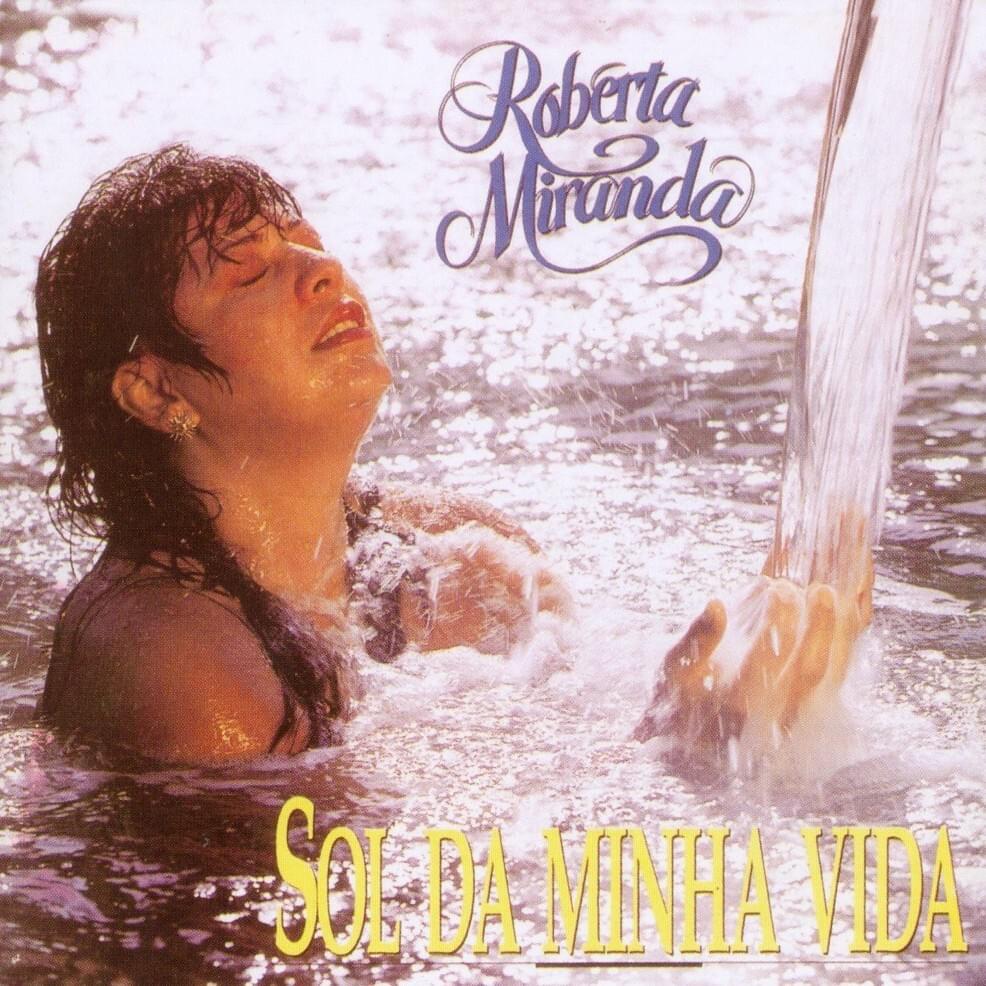
 View Artist