Song Meaning
The lyrics paint a picture of someone captivated by another, seeing them reflected in the beauty of nature. The opening lines compare all the blooming flowers to the object of affection, suggesting a natural, inherent charm and a shared sense of mystery. There's a hint of vulnerability, mentioning "your rebellion, your fantasy," and questioning whether it's "illusion or magic," setting up a central tension.
The core of the song seems to be this push and pull between idealization and reality. The phrase "Tudo é cor de rosa" (Everything is rosy) is immediately qualified by "Rosa da ilusão" (Rose of illusion), indicating that this perception might be a beautiful but ultimately false one. The narrator is aware of this potential deception, yet seems drawn in regardless.
The most striking element is the recurring motif of "rosas" (roses). They appear everywhere the narrator goes and everywhere the other person goes, promising a path filled with them. However, this abundance of roses is consistently linked back to "illusion" and "degradee de azul" (gradient of blue), suggesting a complex, perhaps melancholic, beauty rather than simple happiness. The narrator acknowledges the "fugas" (escapades) and "caminhos" (paths) taken, but insists on a destined reunion, "Querendo ou não, volto a te encontrar" (Whether you want to or not, I'll find you again).
This lyrical construction is effective because it captures the intoxicating, almost obsessive nature of infatuation. The narrator is caught in a cycle of seeing the beloved everywhere, even while acknowledging the potentially fragile, illusory nature of their connection. The repetition of "rosas" and the constant return to the "rosa da ilusão" create a lingering sense of bittersweet longing, a beautiful trap the narrator seems content to remain within.
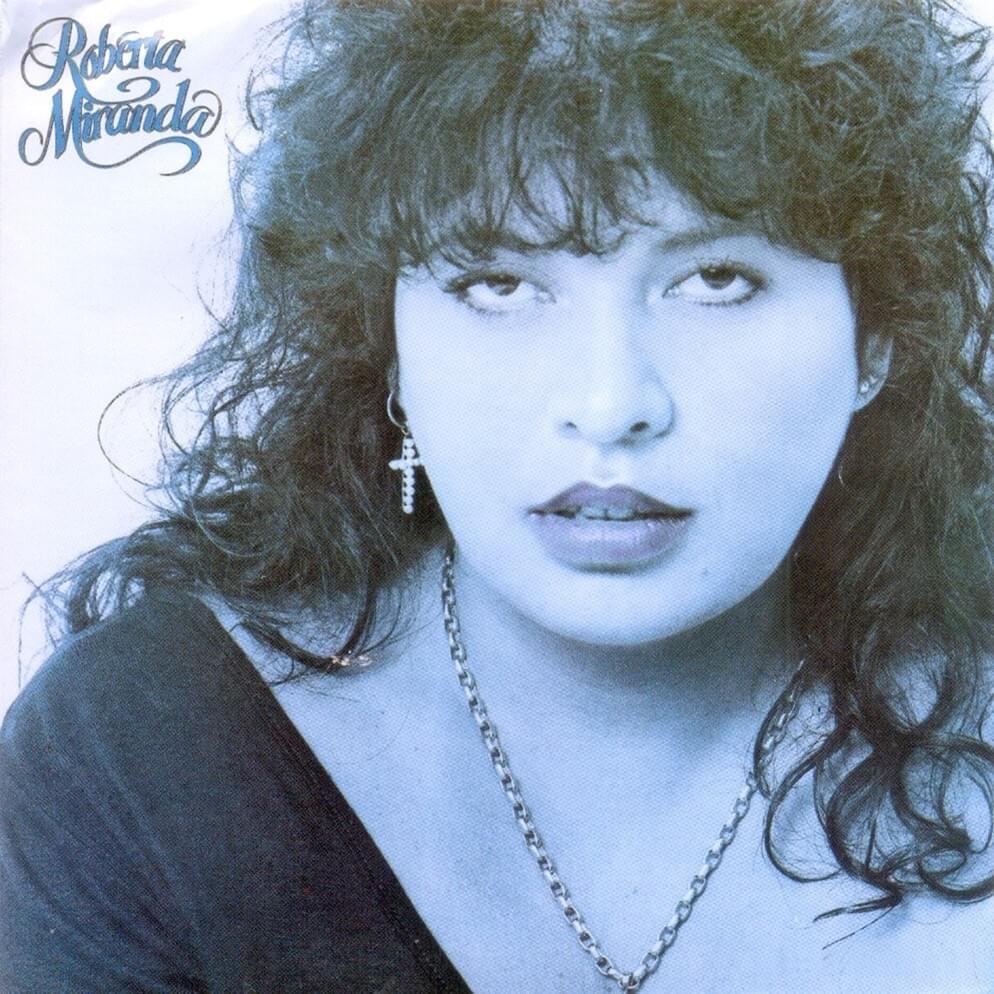
 View Artist