Song Meaning
These lyrics open with a direct, almost somber address to a "meu grande bem" (my great love), acknowledging a past intrusion into their life. The speaker quickly reveals a painful truth: "Somente eu quis te querer" (Only I wanted to want you). It's a stark, immediate confession of unreciprocated desire, setting a tone of regret mixed with a dawning clarity.
The emotional core of the piece lies in the speaker's profound self-loss and the partner's unwitting role in it. The lines "De tanto te amar, te precisar / Esqueci até quem sou eu" (From loving you so much, needing you so much / I even forgot who I am) paint a vivid picture of identity subsumed by another. The partner, described as "inconsciente," appears to have been passively destructive, "matando / A vida que eu tinha pra te dar" (killing / The life I had to give you), a powerful image of emotional neglect.
Yet, the narrative takes a pivotal turn, marked by a spiritual awakening. "Mas Deus aos poucos foi me iluminando / E me fez acreditar" (But God little by little was illuminating me / And made me believe) signals a shift from despair to self-preservation. This newfound clarity culminates in a beautiful, almost poetic description of healing: "Quando a alma adormece / O coração esquece." The pain doesn't vanish with a bang, but rather fades as the soul finds rest and the heart lets go.
The lyrics conclude with a powerful reclaiming of self-worth. The speaker declares, "Hoje não me merece" (Today doesn't deserve me), a definitive statement of liberation. The final lines, recounting a desperate cry "Com as forças dos Deuses" that the partner "nem ligou" (didn't even care), underscore the profound indifference that fueled the speaker's suffering, making the eventual detachment all the more impactful and earned.
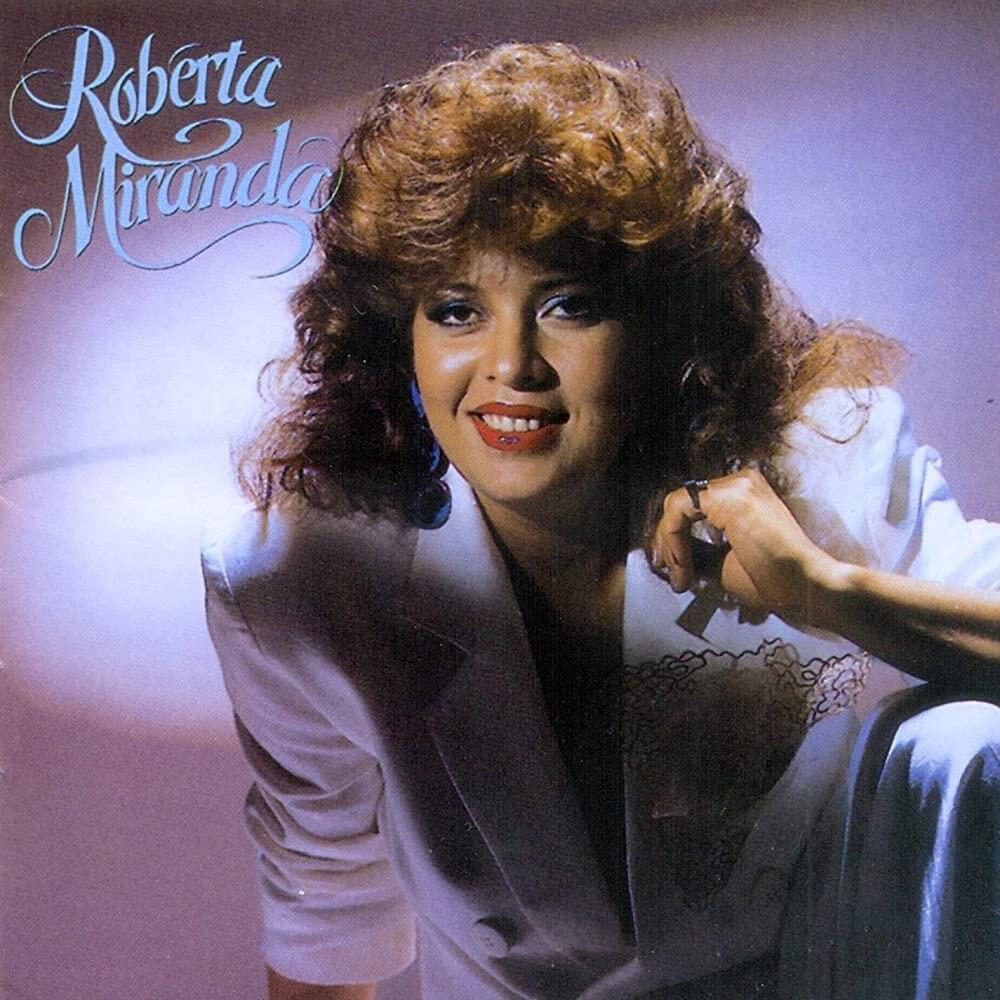
 View Artist