Song Meaning
The lyrics paint a picture of someone grappling with a profound sense of loss, choosing to confront their pain head-on rather than prolonging the agony. The opening lines, "Melhor que seja agora / Pra que eu me frustrar," set a tone of immediate acceptance, suggesting a desire to face reality and avoid future disappointment. This is reinforced by the internal search for answers, "Busquei dentro de mim / Respostas pra me dar," indicating a turning inward to find strength.
The dominant emotional tension arises from the struggle between enduring sorrow and the desperate attempt to find peace. The narrator describes a cycle of deep sadness, "Adormeci chorando / Sentindo o mundo desabar," contrasted with a coping mechanism of suppression, "Engulo o meu pranto / E durmo para não chorar." This internal battle highlights the difficulty of moving past a significant emotional blow.
The most striking aspect of the writing is the stark redefinition of what it means to live. The narrator declares, "E viver é muito mais que ter você em mim," a powerful statement that separates existence from the presence of another person. The subsequent wish, "trocaria tudo o que tenho / Por um copo de vinho, um pedaço de pão e paz," crystallizes this sentiment, valuing basic sustenance and inner tranquility above all else.
Ultimately, these lyrics resonate because they articulate a universal human desire for authentic peace in the face of heartbreak. The final lines, "Que eu sou eu e você é você," offer a clear, albeit painful, resolution. It’s the raw honesty of acknowledging separation and the quiet strength found in self-reliance that makes this a poignant reflection on moving forward.
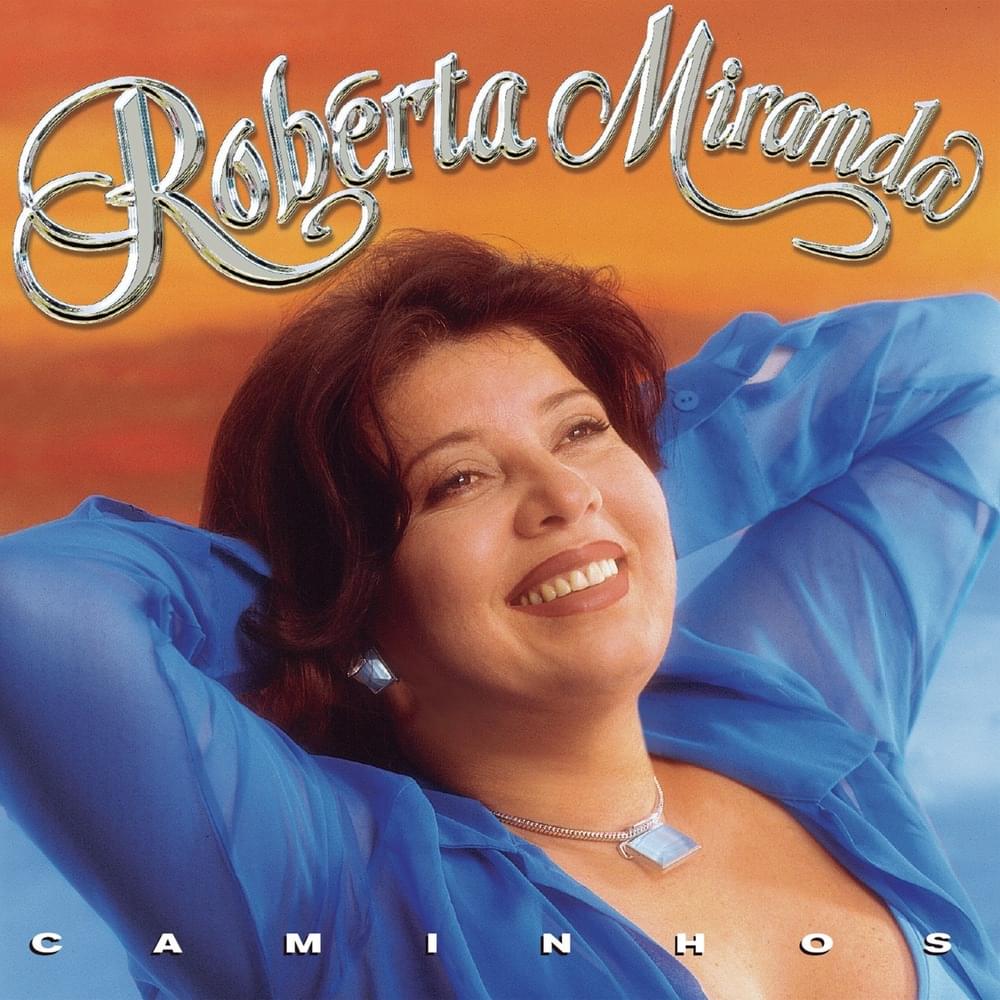
 View Artist