Song Meaning
The narrator opens with a raw plea for disbelief, wishing away the 'craziness' of their past love. The immediate tone is one of regret and exhaustion, marked by sleepless nights and a sense of wasted effort. This isn't just a breakup; it's a reckoning with past actions driven by a powerful, perhaps misguided, affection. The opening lines establish a deep sense of disillusionment with the self, specifically the self that loved so intensely.
The core tension arises from the contrast between past devotion and present hardening. The narrator recounts sleepless nights and tears shed, desperately seeking a reason for the love's demise. This search for understanding is met with a stark realization: the love is gone, and the narrator has been irrevocably changed by the experience. The lyrics suggest a painful lesson learned: that love, in this instance, led only to hurt, forcing a shift towards indifference and logic.
A striking image is the narrator's self-confrontation with a 'new face' they've created, a defense mechanism built to avoid further pain. This internal transformation is visualized as closing doors within the self and painting a picture with the 'brush of illusion.' The most poignant detail, however, is the paradoxical act of tattooing the loved one 'forever inside my heart' even after declaring a newfound indifference and reason. This suggests that while the narrator has built walls, the imprint of the past love remains indelible, a permanent mark despite the conscious effort to move on.
This emotional complexity makes the lyrics resonate. The writing captures the universal struggle of trying to reconcile a past self, shaped by love and vulnerability, with a present self forged in the fires of hurt. The final image of the permanent tattoo, juxtaposed with the narrator's hardened exterior, powerfully conveys the lasting impact of love, even when it brings pain and necessitates a profound, albeit painful, personal evolution.
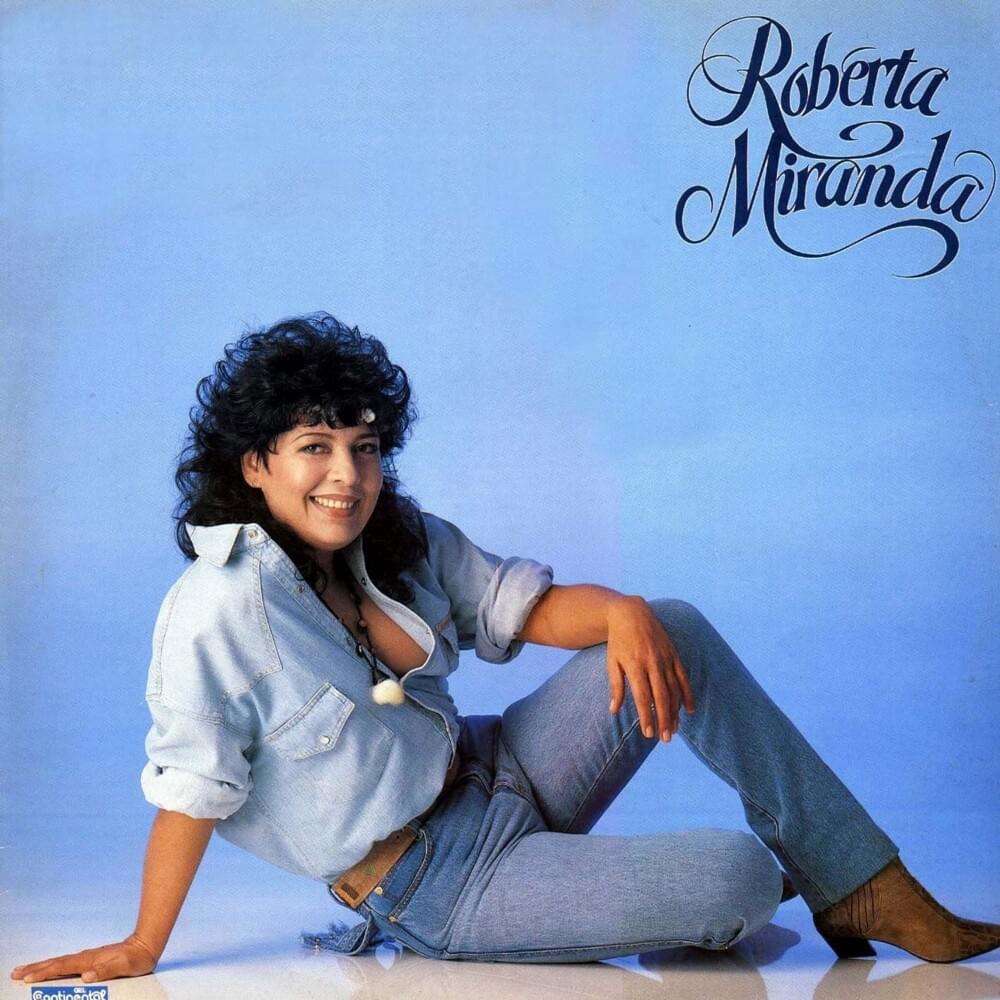
 View Artist