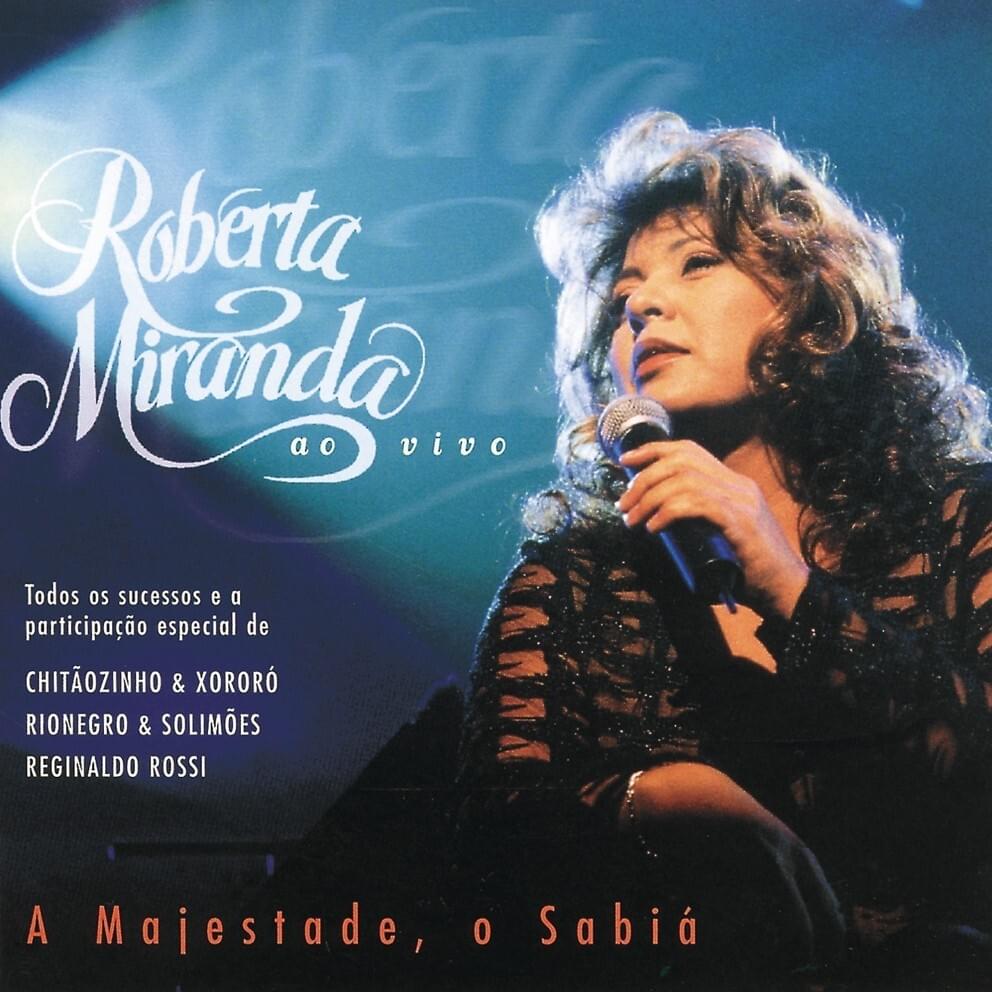
Song Meaning
The narrator embarks on an internal journey, a mental escape into a personal, idyllic landscape. This inner world is a sanctuary, a place where thoughts take shape and the subconscious unfolds naturally. It's a realm of pure personal ownership, a "place all my own," where relaxation is paramount, symbolized by a "lazy hammock" and a symphony of sparrows serenading a majestic sabiá bird. This initial vision is one of profound peace and natural beauty.
This internal voyage is deeply spiritual and connected to nature. The narrator seeks a waterfall bath and wishes to enter the forests where Oxossi, a deity associated with the woods and hunting, reigns. The flora is described as "beautiful and fragrant," actively granting passage and perfuming the narrator's body. This suggests a harmonious integration with the natural world, a cleansing and anointing that happens organically within this mental space.
The lyrics highlight a fascinating duality between this internal escape and external reality. The journey is explicitly described as "inside me," a "video-tape" of the unconscious. Yet, the narrator expresses a desire to return to "reality," to "this world of God," with a newfound assurance. This return is not a defeat but a re-entry, grounded in the self-knowledge gained from the inner exploration.
The ultimate effectiveness of these lyrics lies in their portrayal of self-sufficiency and internal resilience. The narrator concludes that their "unknown self" will "never be betrayed," because "this world is me." This powerful assertion suggests that the inner landscape, once fully explored and understood, provides an unshakeable foundation. The mental voyage isn't just an escape; it's a profound act of self-discovery that fortifies the narrator for their return to the external world.