Song Meaning
The lyrics present a powerful counter-argument to negative thinking, framing life as an inherently beautiful and dynamic experience. The opening lines directly challenge the notion that life is unfair or inherently bad, asserting instead that "a vida é muito linda" (life is very beautiful). This sets a tone of optimistic defiance, suggesting that a positive outlook is not just a choice but a necessary perspective for truly living.
The central tension arises from the contrast between despair and the inherent joy of existence. The narrator repeatedly dismisses the idea of being alone or feeling bad, emphasizing that "não se faz nada sozinho" (nothing is done alone) and that "tudo passa" (everything passes). This cyclical view of life, where difficulties are temporary, serves as a foundation for the recurring refrain that life is a "carnaval" – a time for celebration and singing, not for tears.
The most striking craft element is the direct, almost didactic repetition of "Todo aquele que pensa... Não deve pensar assim." This structure acts like a series of gentle but firm corrections, guiding the listener away from negativity. The metaphor of life as a "carnaval" is central, suggesting a vibrant, communal, and fleeting experience that is best met with music and joy, rather than sorrow. The repeated assertion that "tudo muda" (everything changes) further reinforces the idea that current struggles are not permanent, encouraging a forward-looking, celebratory stance.
Ultimately, the effectiveness of these lyrics lies in their simple, unwavering affirmation of life's inherent goodness and the power of perspective. By directly addressing and refuting negative thoughts with the image of a joyful carnival, the song offers a compelling argument for embracing life's beauty and finding solace in community and the passage of time. It’s a call to actively choose a more vibrant way of being, even when faced with perceived difficulties.
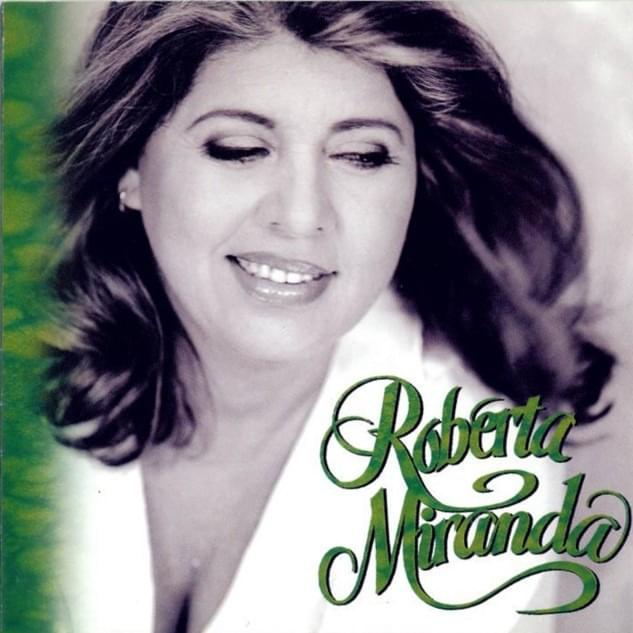
 View Artist