Song Meaning
The lyrics paint a picture of profound dependence, framing the absence of a specific person as a literal inability to experience life's fundamental elements. The narrator states that colors don't change without the sun and pain doesn't heal without dawn, establishing a natural order that is disrupted by this person's absence. This absence is further emphasized by the repeated assertion that without 'you,' there is no 'light that covers me' and no 'air that moves me,' suggesting a complete existential void.
The central tension lies in the paradox of being 'free' while simultaneously expressing such deep reliance. The phrase 'Pra morrer de amor' (To die of love) is repeated, not as a lament, but as a declaration of a chosen state. The narrator seems to embrace this potential for emotional demise as a form of liberation, choosing the intensity of love, even to its extreme, over a life devoid of its presence. This is reinforced in the second verse where the narrator explicitly states, 'Each one chooses what they want to live; I prefer the curves before and you,' indicating a conscious decision to embrace the complexities and potential dangers of this love.
The most striking craft element is the juxtaposition of absolute dependence with the repeated declaration of freedom. The structure builds this tension by first detailing the narrator's inability to function without the beloved, then immediately countering it with 'Sou livre' (I am free). This creates a powerful emotional resonance, suggesting that true freedom for the narrator isn't independence, but the uninhibited choice to be consumed by love. The repetition of 'Sou livre' at the end, escalating from four to five times, amplifies this chosen state, making it the ultimate, undeniable truth for the speaker.
This lyrical construction is effective because it reframes a potentially desperate situation into one of empowered choice. The narrator isn't passively suffering; they are actively selecting a life defined by intense love, even if it means risking emotional annihilation. The lyrics suggest that for this speaker, the ultimate freedom is the liberty to feel so completely, to 'die of love,' rather than to exist in a state of emotional numbness or absence.
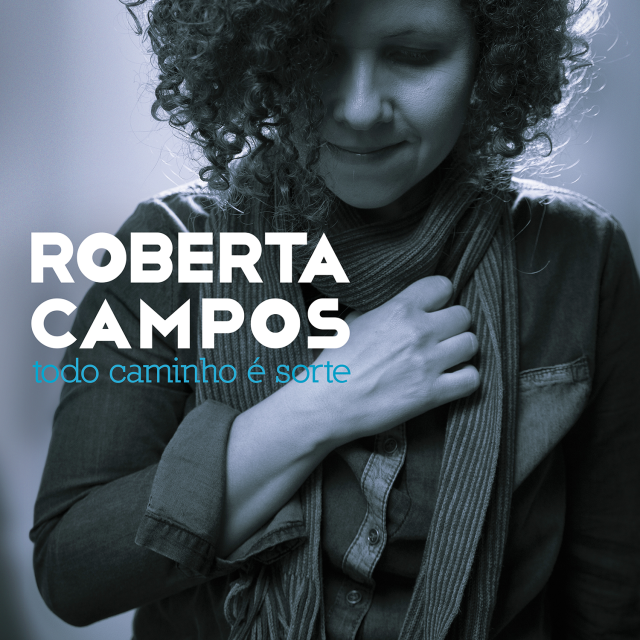
 View Artist