Song Meaning
{"song_id": 14431533, "meaning": "Robert Johnson's \"Malted Milk\" isn't just a blues tune; it's a potent exploration of self-medication and the fragile, often hallucinatory, state of a man wrestling with heartbreak. The repeated refrain of \"drinkin' malted milk, try'n to drive my blues away\" lays bare the central coping mechanism. It's a simple, almost childlike remedy, suggesting a regression to simpler comforts in the face of complex emotional pain. The malted milk itself becomes a symbol of denial, a temporary anesthetic against a deeper wound.
But the song quickly transcends simple sadness. As Johnson continues to consume his strange palliative, reality begins to warp. The lyrics shift from a desire to numb pain to a description of altered perception: \"Malted milk, malted milk, keep rushin' to my head / And I have a funny, funny feelin', and I'm talkin' all out my head.\" This isn't just about sadness anymore; it's about the disorienting effects of trying to escape reality, perhaps hinting at a deeper psychological unease. The blues, initially a source of pain, are now being actively, if unsuccessfully, fought with a decidedly odd, almost comical beverage.
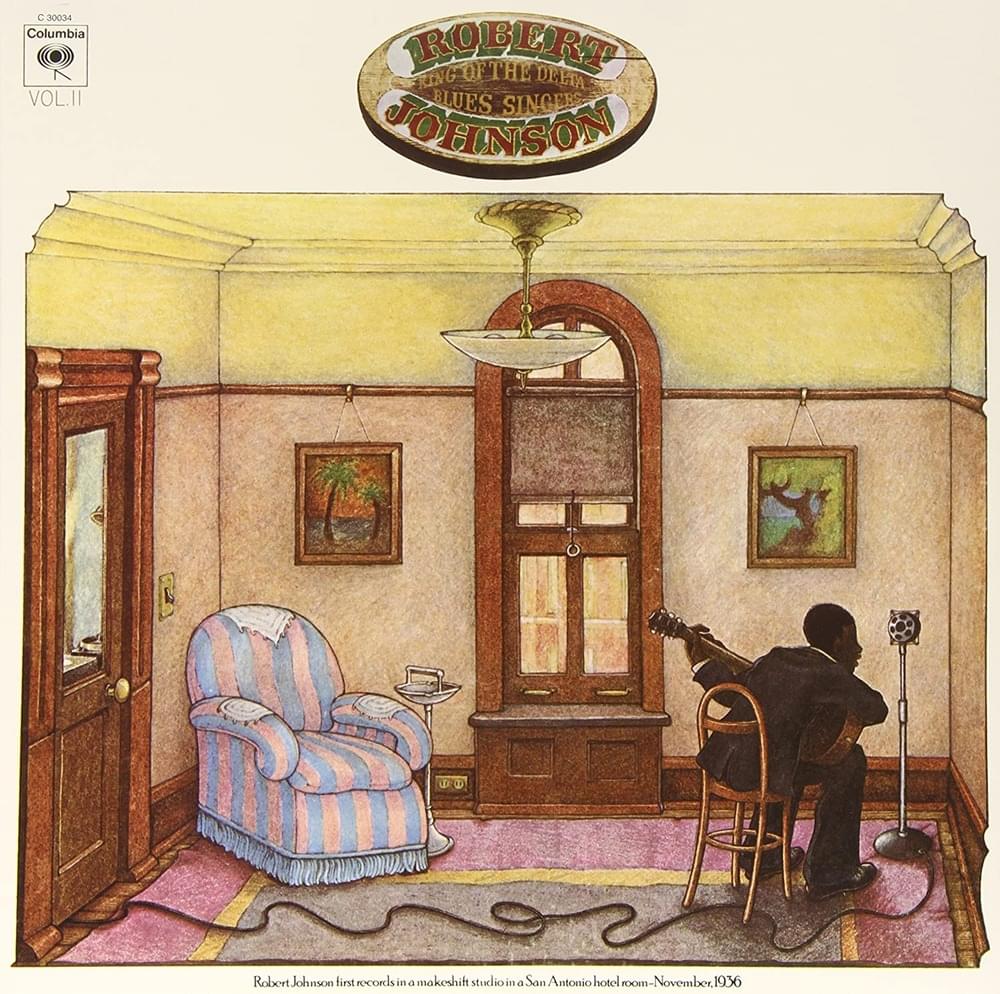
The final verse plunges into full-blown paranoia: \"My door knob keeps on turnin', it must be spooks around my bed.\" The \"spooks\" aren't literal ghosts; they represent the anxieties and fears that surface when one's grip on reality loosens. The \"warm, old feelin'\" coupled with \"hair risin' on my head\" suggests a primal fear, a vulnerability exposed by the artificial comfort he seeks. The request for \"one more drink\" isn't just a plea for continued solace; it's a desperate attempt to maintain the illusion, to keep the spooks at bay just a little longer. In essence, \"Malted Milk,\" through its surreal imagery and repetitive structure, becomes a haunting portrait of addiction, denial, and the disintegration of the self under the weight of unresolved emotional turmoil. The song's meaning lies not just in the blues, but in the desperate, and ultimately futile, attempt to escape them."}
 View Artist