Song Meaning
{"song_id": 14431599, "meaning": "Robert Johnson's \"Love In Vain\" isn't just a blues lament; it's a masterclass in depicting the raw, exposed nerve of heartbreak. The opening lines, \"And I followed her to the station / With a suitcase in my hand,\" immediately establish a scene of departure and desperate pursuit. The suitcase is a telling detail—is he hoping to join her, or simply burdened by the weight of unrequited affection? The repetition emphasizes the futility of his gesture, a man clinging to a hope that's already slipping away.
The core of the song meaning lies in the stark acknowledgement of love's failure: \"Well, it's hard to tell, it's hard to tell / When all your love's in vain.\" Johnson doesn't offer excuses or justifications; he simply states the brutal reality. The train station becomes a liminal space, a point of no return where emotions are amplified. The image of looking her in the eye as the train arrives underscores the pain of separation, the silent communication of unspoken feelings. His lonesome cry is not a performance, but a visceral reaction to the impending void.
The final verse introduces a powerful visual metaphor: the train's two lights, one blue and one red, representing his blues and his mind, respectively. This is where Johnson transcends simple heartbreak and delves into the psychological impact of lost love. The \"blue light\" embodies the sadness and despair, while the \"red light\" signifies the agitation and mental turmoil that accompany such profound emotional distress. The train departing with these lights trailing behind suggests a fragmenting of the self, as his emotions and thoughts are carried away with the departing lover. The repeated refrain, \"All my love's in vain,\" serves as a haunting acknowledgement of defeat, a recognition that some loves, despite their intensity, are destined to end in sorrow."}
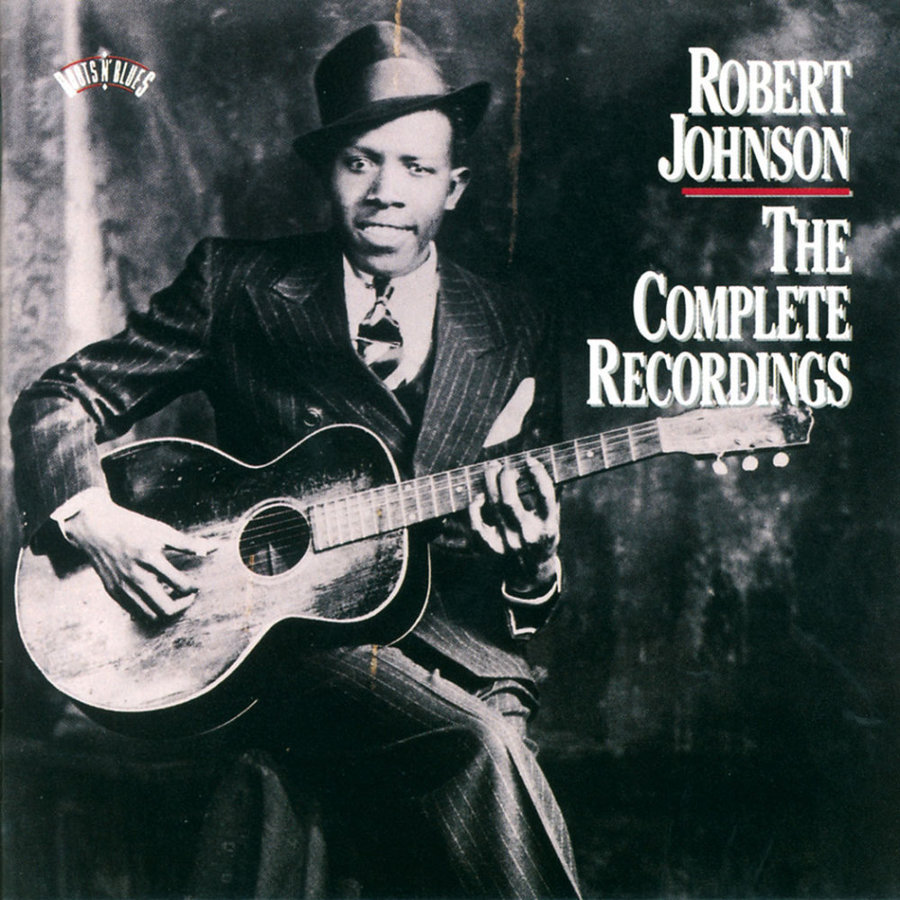
 View Artist