Song Meaning
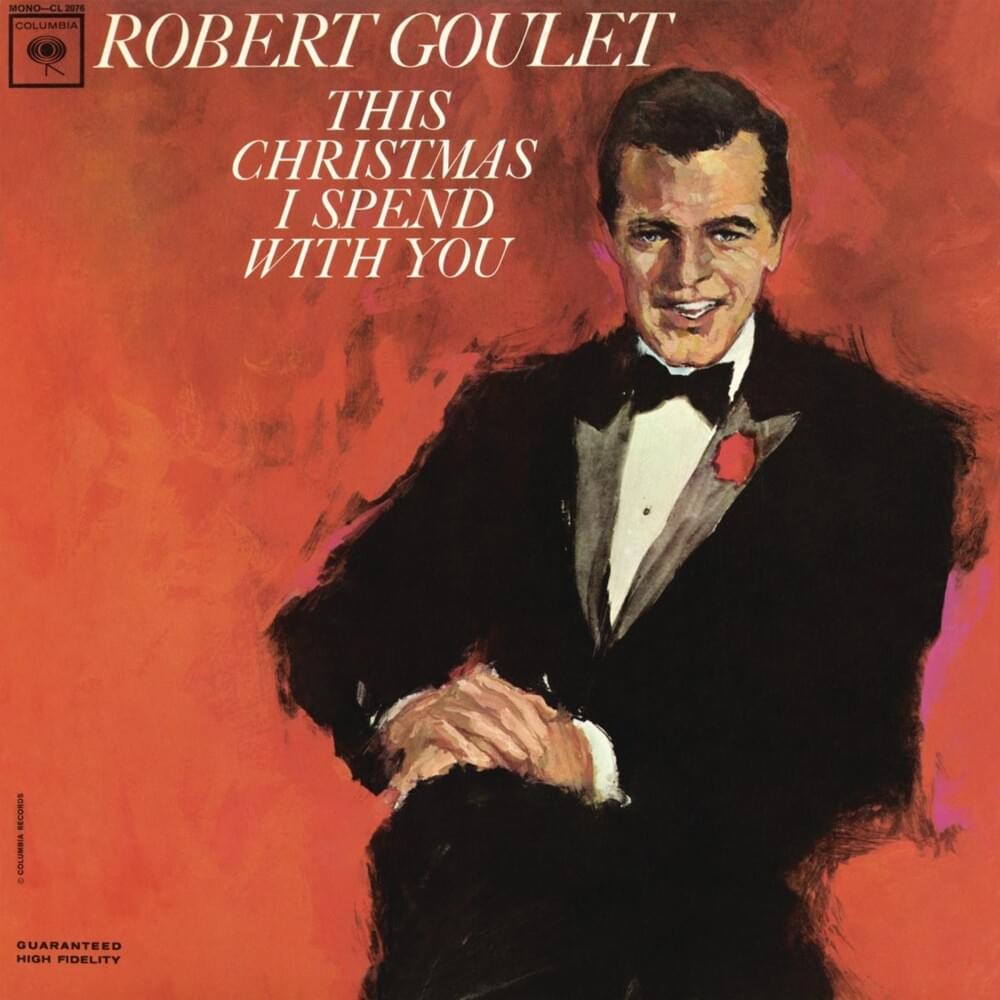
Robert Goulet's rendition of "Winter Wonderland" isn't just a festive jaunt through a snowy landscape; it's a carefully constructed fantasy, a temporary escape hatch from the mundane. The opening lines, with their sleigh bells and glistening snow, immediately transport the listener to an idealized setting, a place where joy is not just present, but actively pursued. This curated happiness, however, hints at something deeper. The shifting seasons, symbolized by the departure of the bluebird and the arrival of 'a new bird,' suggest a desire for constant renewal, a perpetual springtime of the soul achieved through manufactured experiences. The 'winter wonderland' isn't simply a place; it's a state of mind, deliberately cultivated. The lyrics hint that it is also fleeting. This is the key to understanding the song's meaning.
The song's middle verses introduce an element of playful absurdity that further reinforces the idea of constructed reality. Building a snowman and pretending he's Parson Brown to mock a marriage proposal underscores a rejection of conventional expectations. There's a deliberate choice to remain in this liminal, pre-committed space, where anything is possible and nothing is permanent. The subsequent transformation of the snowman into a circus clown amplifies this sense of whimsical detachment. It's a world of pure imagination, where rules are bent and reality is malleable. But then, the lyrics take a slightly darker turn: 'Until the other kiddies knock him down.' This single line shatters the illusion, reminding us of the inevitable intrusion of reality and the fragility of constructed happiness. The winter wonderland, it seems, is not impervious to the outside world.
Ultimately, Robert Goulet’s "Winter Wonderland", analyzed through its lyrics, reveals a yearning for escapism, a desire to create a temporary haven from the complexities and potential disappointments of life. The 'winter wonderland' becomes a metaphor for a carefully curated emotional space, a place where joy is manufactured, and responsibilities are deferred. Even the seemingly innocuous line about 'frolicking and fraying the Eskimo way' carries a hint of cultural appropriation, further highlighting the artificiality of the experience. The song's enduring appeal lies in its ability to tap into our collective desire for a simpler, more joyful existence, even if that existence is ultimately recognized as a fleeting and somewhat illusory construct.
 View Artist