Song Meaning
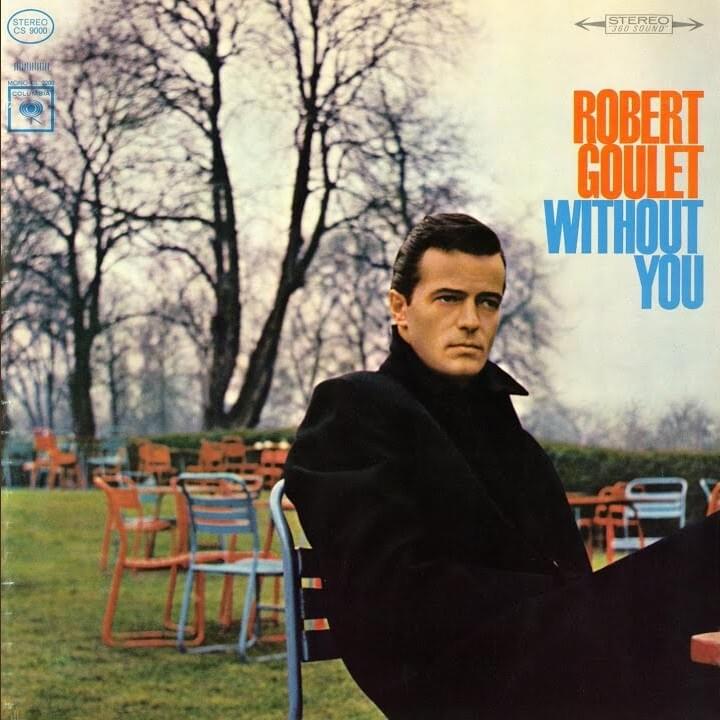
Robert Goulet's rendition of "What's New?" drips with the bittersweet agony of unrequited, or perhaps, unresolved love. The song, a masterclass in understated longing, isn't really *asking* 'what's new' at all. It's a carefully constructed facade, a conversational gambit masking a still-burning torch. The narrator isn't interested in the mundane details of the other person's life; he's desperately seeking confirmation—or perhaps, a denial he can finally accept—that his own feelings were never reciprocated, or have since faded on their end. The repeated line "You haven't changed a bit, lovely as ever I must admit" betrays the depth of his continued infatuation, a painful contrast to the polite, almost detached tone he attempts to maintain. There's a palpable sense of self-awareness bordering on self-deprecation in lines like "Probably I'm boring you," which highlights the inherent vulnerability in laying bare one's lingering affections.
The genius of "What's New?" lies in its subtle unraveling. The initial pleasantries slowly give way to a raw, exposed nerve. The admission, "Of course you couldn't know, I haven't changed, I still love you so," delivered with Goulet's characteristic vocal prowess, is a gut punch. It transforms the entire song from a casual encounter into a desperate confession, a final plea disguised as polite inquiry. The final repetition of "What's new" serves as a haunting echo, a question now laden with the weight of unspoken emotions and the crushing realization that, for the narrator, nothing ever truly will be.
Ultimately, the song explores the universal experience of being trapped in the amber of past love. It's a poignant reflection on the enduring power of memory and the difficulty of moving on when the heart refuses to cooperate. The understated arrangement, coupled with Goulet's emotive delivery, elevates "What's New?" beyond a simple ballad; it becomes a timeless exploration of the human condition, a reminder that some wounds, however elegantly concealed, never fully heal.
 View Artist