Song Meaning
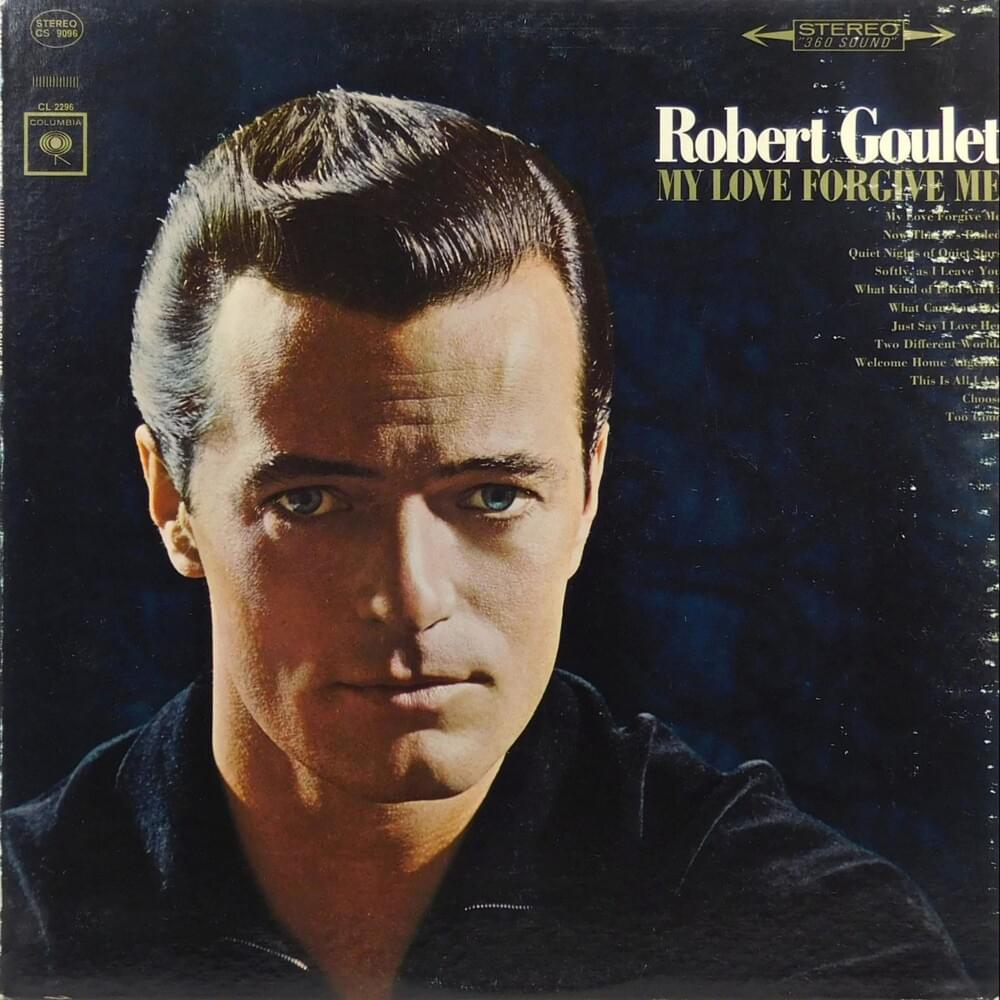
Robert Goulet, the voice of velvet masculinity and mid-century romance, grapples with a far more universal and timeless problem in "What Can You Do?": the exquisite torment of unrequited or, more accurately, lost love. The song isn't just about heartbreak; it's about the agonizing awareness of one's own helplessness in the face of overwhelming emotion. The opening lines establish the central metaphor – love as a "raging fire," a "wild desire" that defies rational control. This isn't a gentle flicker; it's an inferno consuming the singer from the inside. The only possible solution, "her kisses," are now irrevocably out of reach, rendering him powerless. This sets the stage for the core question posed throughout the song.
The lyrics delve into the psychological contortions of a man caught between reason and raw feeling. He recognizes he's a "fool to love her," acknowledging the destructive nature of his obsession. He attempts to escape, to "run for cover," but there's no refuge from the memories and the ache. The repeated refrain, "What can you do?," isn't a literal question seeking practical advice. It's an existential cry of despair, a recognition of the limits of human agency when confronted with the irrational power of the heart. He knows he should forget her, that his heart should "be smart," but the chasm between knowing and feeling is vast and unbridgeable.
The final verses underscore the depth of his despair. The memories of when "all her love belonged to you" only serve to intensify the present pain. The realization that he "can't live without her" is the ultimate surrender, the admission of utter dependence on a source of love that is no longer available. The repeated question, "What can you do?," becomes a mantra of hopelessness, echoing the futility of his situation. Goulet's delivery, typically marked by confidence and bravado, likely adds a layer of vulnerability to the song, highlighting the contrast between the image of a strong man and the reality of his emotional fragility. The song, then, is a poignant exploration of love's capacity to both elevate and utterly destroy, leaving us questioning what, if anything, can be done when faced with such profound emotional devastation.
 View Artist