Song Meaning
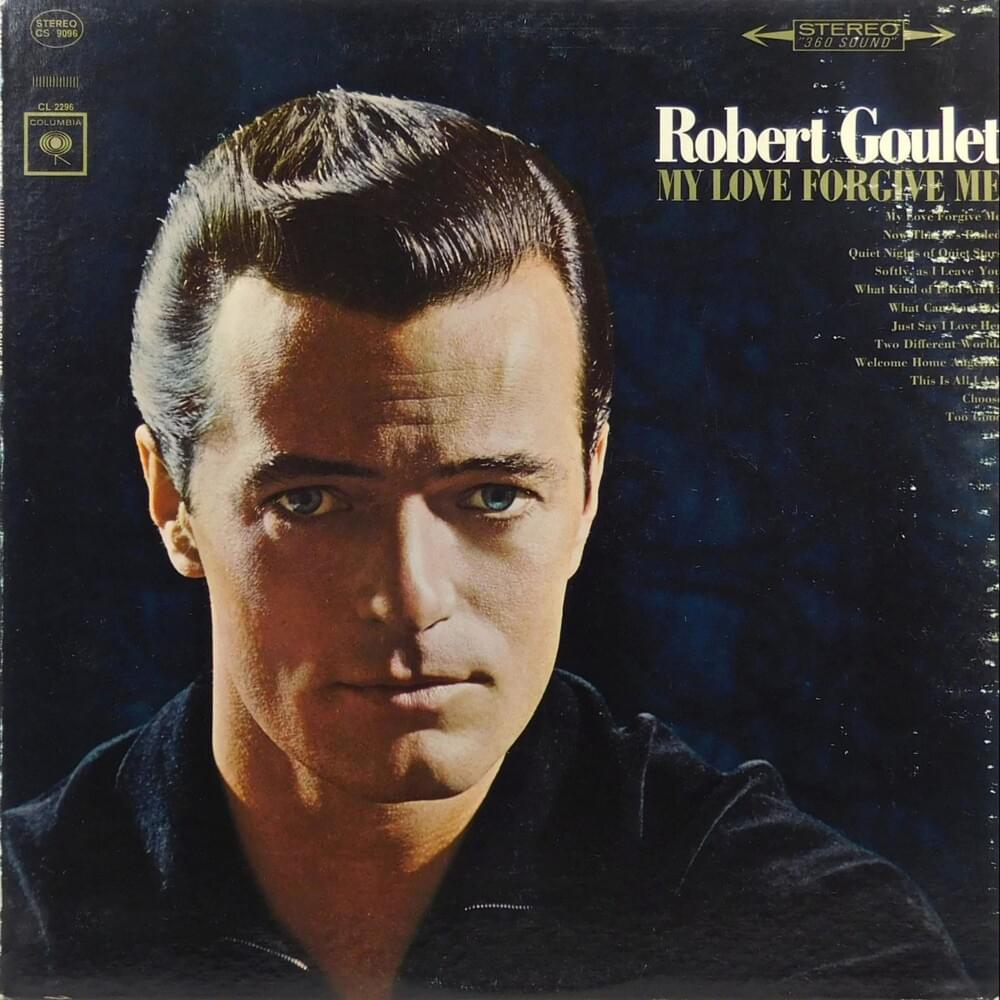
Robert Goulet's "Too Good" isn't just a love song; it's a masterclass in preemptive heartbreak. The lyrics drip with a melancholic awareness, a fear that happiness is merely a setup for inevitable pain. This isn't naive pessimism; it's the hardened outlook of someone who's learned that joy always demands a steep price. The repeated refrain, "Too good to last," isn't a romantic lament, but a calculated defense mechanism. He's not simply enjoying the moment; he's bracing for the fall. This sentiment echoes the psychological concept of 'catastrophizing,' where individuals dwell on the potential negative outcomes of a situation, even when there is no evidence to support those fears.
The song's power lies in its raw vulnerability. Goulet doesn't shy away from admitting his fear. Lines like "Love is too good / Too good for me and I'm afraid" expose a deep-seated insecurity. It's a recognition of unworthiness, a belief that he doesn't deserve such intense happiness. This feeling is compounded by the line "For every joy I've ever known / A price was payed," suggesting a history of painful experiences that have shaped his worldview. This creates a self-fulfilling prophecy, where the fear of loss ultimately undermines the present joy.
Ultimately, "Too Good" becomes a plea for self-preservation. The verse urging "Be wise, we must be wise / And say goodbye, and say it now" is a desperate attempt to control the narrative, to sever the connection before the inevitable pain arrives. It’s a paradoxical choice, sacrificing present bliss for future emotional safety. The repetition of "A price was payed" underscores the cyclical nature of this fear, trapping him in a pattern of preemptive loss, forever haunted by the expectation of sorrow.
 View Artist