Song Meaning
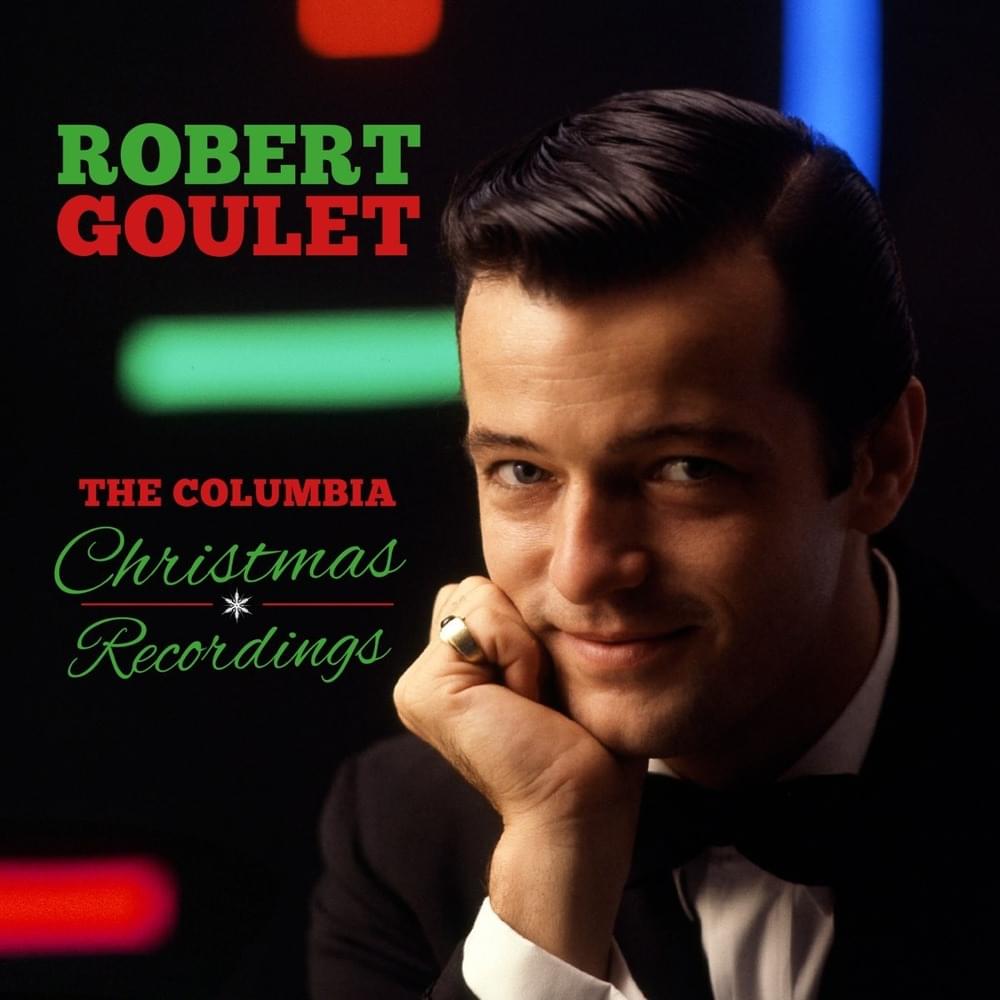
Robert Goulet's "The Christmas Waltz" isn't just another holiday tune; it's a carefully constructed sonic snow globe, encapsulating the season's potent blend of nostalgia and hope. Goulet, known for his rich baritone and theatrical delivery, imbues the lyrics with a sincerity that transcends simple cheer. The song meaning hinges on the delicate balance between tangible, almost childlike imagery—frosted window panes, candy canes, Santa's sleigh—and the more abstract, deeply felt yearning for connection and renewal that defines the holidays for many. It’s a sophisticated rendering of Christmas sentiment, avoiding saccharine pitfalls through its elegant simplicity. The genius lies in its understanding of how shared cultural symbols become deeply personal touchstones.
The waltz tempo itself is crucial to understanding the song's emotional core. Unlike the boisterous energy of, say, "Jingle Bell Rock," the three-quarter time signature evokes a sense of gentle movement, a swirling dance of memories and aspirations. It’s an invitation to slow down, to reflect on the past year while simultaneously anticipating the future. The lyrics analysis reveals a focus not just on the present joy of Christmas, but also on the promise of the new year – "May your new year dreams come true." This subtle shift elevates the song beyond mere seasonal fluff, tapping into the deeper human desire for progress and positive change.
Ultimately, "The Christmas Waltz," as interpreted by Robert Goulet, functions as a collective wish. It acknowledges the commercialism and sometimes overwhelming nature of the holidays, yet gently steers the listener back to the core values of love, hope, and shared experience. It’s a reminder that even amidst the chaos, there’s a fundamental human need to connect with others and to believe in the possibility of a brighter future. The song’s enduring appeal lies in its ability to tap into this collective yearning, offering a moment of quiet reflection and genuine warmth in a season often characterized by excess.
 View Artist