Song Meaning
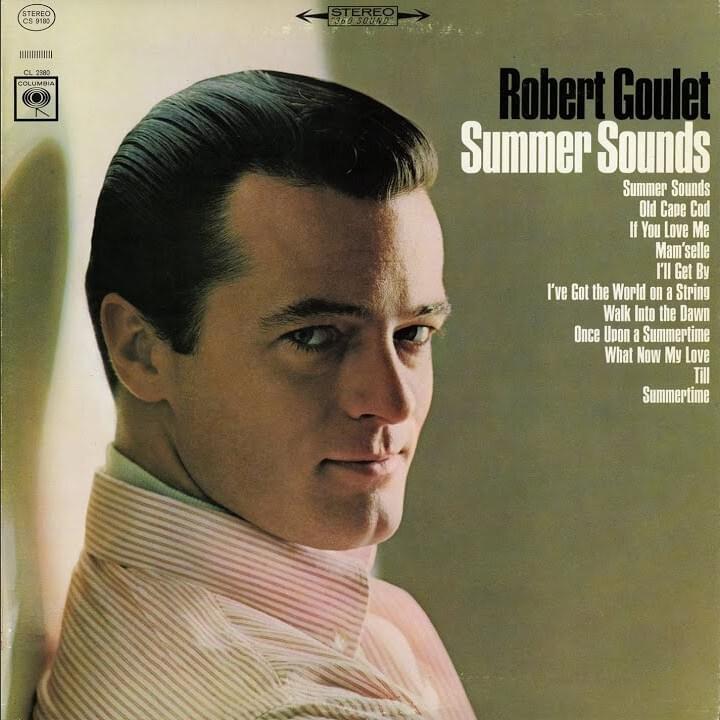
Robert Goulet's rendition of "Summertime" isn't just a lullaby; it's a gilded cage of aspiration and anxiety. The surface, of course, shimmers with idyllic imagery: fish leaping, cotton fields swaying, and the promise of effortless comfort. The opening verse paints a portrait of privilege, where material wealth and inherited beauty seemingly inoculate against life's harsh realities. "Your daddy's rich and your ma is good looking" isn't merely descriptive; it's a pronouncement of destiny, a suggestion that fortune is preordained. But beneath this veneer of ease lurks a subtle tension. The repeated command, "Hush little baby, don't you cry," hints at a deeper unease, a fear that the carefully constructed world might crumble. It's as if the speaker is trying to reassure not only the child but also themself.
The song's emotional core resides in the contrasting verses that speak of a future awakening. The promise of rising up singing and taking to the sky offers a vision of liberation and self-discovery. Yet, this soaring ambition is tempered by the present reality: "But 'til that morning, there's ain't nothin' can harm you / With daddy and mammy standin' by." This parental protection, while comforting, also implies a dependence, a deferral of true independence. The song subtly explores the complex relationship between security and freedom, suggesting that the very comforts that shield us can also constrain us.
Ultimately, "Summertime" becomes a meditation on the bittersweet nature of potential. The song doesn't resolve the tension between the idyllic present and the uncertain future; instead, it holds them in delicate balance. Goulet's interpretation, imbued with his signature vocal warmth, amplifies this duality, reminding us that even in moments of apparent serenity, the seeds of longing and the anticipation of change are always present. It's a lullaby for a world on the cusp of transformation, where the promise of tomorrow is both a comfort and a challenge.
 View Artist