Song Meaning
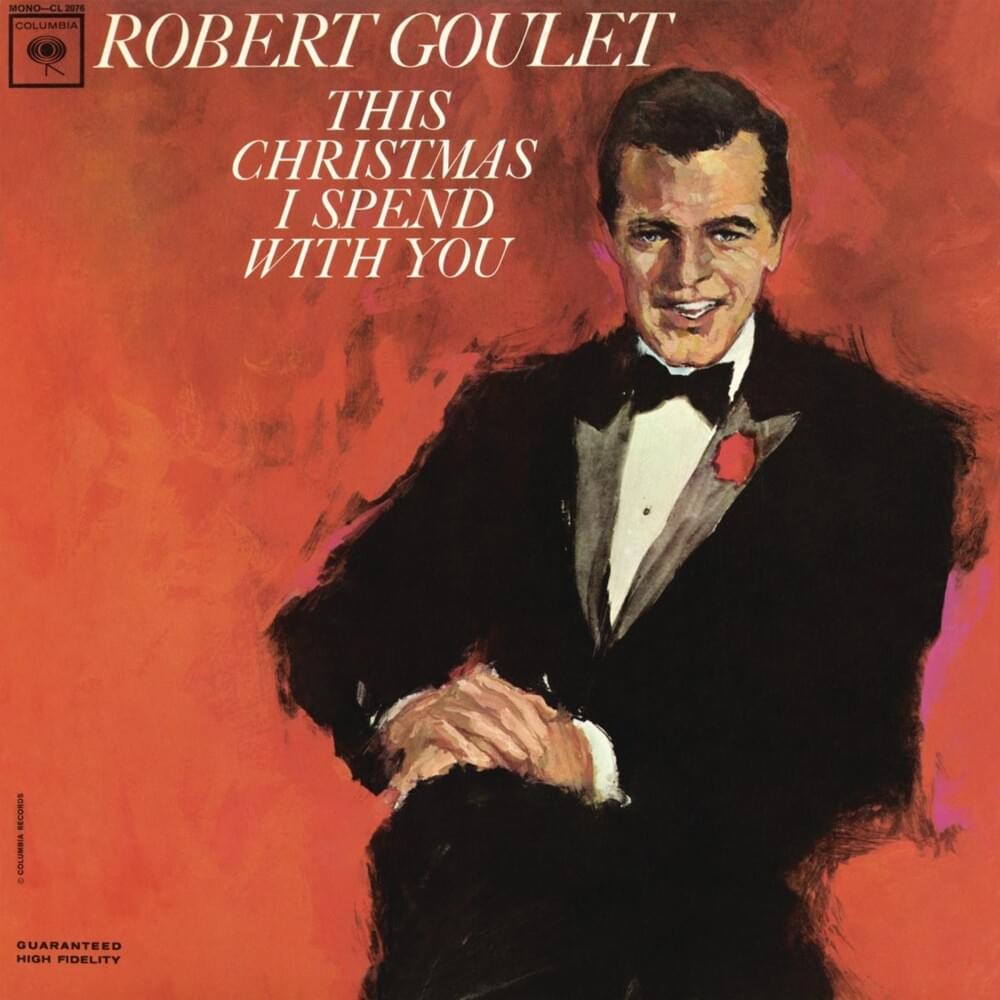
Robert Goulet’s rendition of "Silver Bells" isn’t just a Christmas carol; it’s a carefully constructed exercise in nostalgia, weaponizing the listener's own past against them. The song, at its core, is about the manufactured feeling of Christmas – the 'holiday style' that dresses the city sidewalks, the 'feeling of Christmas' pumped into the very air we breathe. It's a hyper-real, almost uncanny valley version of the season, designed to trigger specific emotional responses: joy, warmth, and a sense of collective experience. But beneath the surface of 'children laughing' and 'people passing, meeting smile after smile,' lies a subtle undercurrent of anxiety, the frantic energy of 'shoppers rush[ing] home with their treasures.'
Goulet, with his signature smooth delivery, acts as a kind of benevolent observer, narrating this meticulously curated Christmas scene. He points out the 'strings of streetlights,' the 'stop lights' blinking 'a bright red and green,' as if directing our attention to the stagecraft of the holiday itself. The 'silver bells,' then, become more than just a sonic element; they are a Pavlovian trigger, a constant reminder of the impending 'Christmas day' and all the expectations and pressures that come with it. The song's genius, and perhaps its subtle darkness, lies in its ability to simultaneously evoke a sense of childlike wonder and a nagging awareness of the commercial forces that underpin the entire spectacle.
Ultimately, "Silver Bells" is about the complex and often contradictory emotions that Christmas evokes. It's about the tension between the idealized image of the holiday and the messy reality of consumerism, family dynamics, and personal expectations. Goulet's version, in particular, captures this tension perfectly, offering a seemingly straightforward celebration of Christmas while subtly hinting at the underlying anxieties that lurk beneath the surface of all that forced merriment. The song's enduring appeal may lie in its ability to tap into our collective desire for a simpler, more innocent time, even as it acknowledges the impossibility of ever fully recapturing that feeling.
 View Artist