Song Meaning
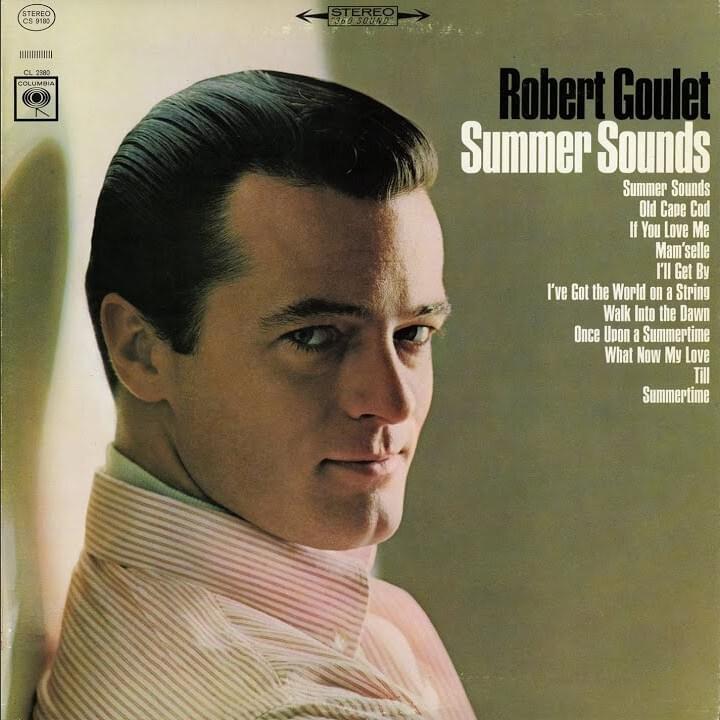
Robert Goulet's rendition of "Once Upon a Summertime (La Valse Des Lilas)" isn't merely a nostalgic waltz; it's a poignant study in memory and the bittersweet nature of fleeting joy. The song delicately paints a picture of a past romance, etching it into the listener's mind with the specificity of a cherished photograph. The "little flower stall" and "bright forget-me-nots" aren't just scenic details; they're symbolic anchors, rooting the memory in a tangible reality. The lyrics suggest a relationship defined by simple pleasures: shared laughter, stolen kisses in Parisian cafes, and the innocent charm of a summer romance. Goulet’s delivery imbues the song with a sense of longing, transforming what could be a simple love song into a melancholic reflection on time's passage. The narrator’s pride, described as being "as proud as any man could be," highlights the depth of his emotional investment in this past love.
The shift from the vibrant imagery of summertime to the starkness of winter underscores the ephemeral nature of the relationship. "Now another Wintertime has come and gone / The pigeons feeding in the square have flown" evokes a sense of loss and isolation. The absence of the pigeons, a common sight in city squares, mirrors the absence of the loved one. This contrast serves to amplify the emotional weight of the narrator's reminiscence. The mention of "vespers chime" adds a layer of religious or spiritual contemplation, suggesting that the memory of this summertime love is a constant presence, resurfacing with the regularity of the evening bells.
Ultimately, the song meaning resides in its exploration of memory's power. The lyrics reveal that while the physical relationship may have ended, its emotional impact endures. The phrase "You loved me once upon a Summertime" is not just a statement of fact; it's a testament to the lasting impression that even a brief encounter can leave on the human heart. Goulet's interpretation transforms "Once Upon a Summertime" into a timeless exploration of love, loss, and the enduring power of memory. It's a reminder that even as seasons change and time marches on, the echoes of past happiness can continue to resonate within us.
 View Artist