Song Meaning
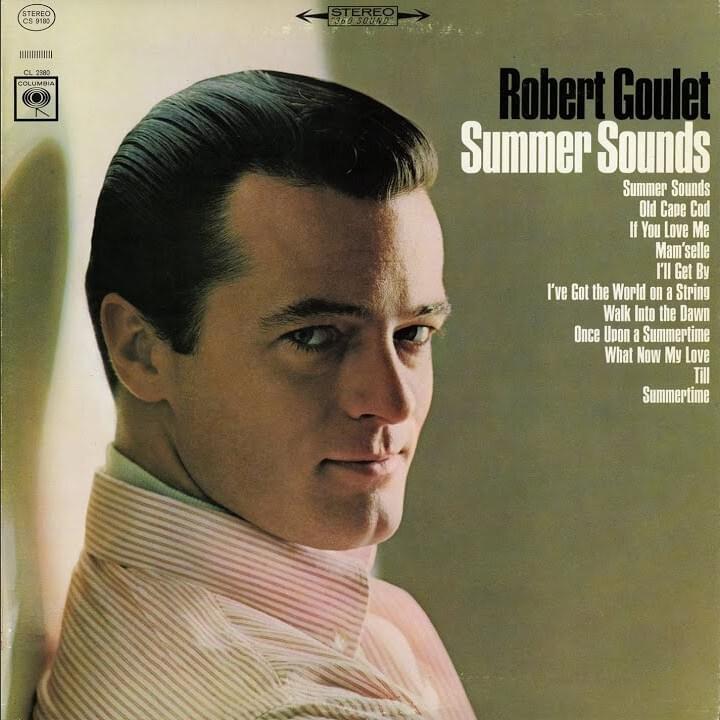
Robert Goulet's rendition of "Old Cape Cod" isn't just a postcard; it's a carefully constructed psychological profile of nostalgia. The song doesn't delve into complex emotions; instead, it triggers a potent cocktail of sensory memories designed to evoke longing. The lyrics function as a targeted marketing campaign aimed squarely at the listener's yearning for simpler times. The mention of "sand dunes and salty air" immediately transports one to a specific, idealized landscape, while "lobster stew" and "ocean view" tap into gustatory and visual pleasure centers. It's a symphony of subtle cues intended to create a powerful emotional response.
The genius of "Old Cape Cod" lies in its universality. The song avoids specifics, opting instead for broad, relatable imagery. "Winding roads," "green beneath the skies of blue," and "church bells chiming" are archetypal symbols of pastoral peace. The lyrics explicitly connect this idealized location to the listener's origins: "Remind you of the town where you were born." This is a crucial element. By associating Cape Cod with the listener's personal history, the song creates a sense of immediate familiarity and belonging, even if the listener has never actually set foot there. It's about accessing a deeply ingrained sense of 'home.'
Ultimately, the song meaning revolves around the allure of escape and the comforting embrace of nostalgia. The recurring line, "You're sure to fall in love with old Cape Cod," functions as a hypnotic suggestion. The promise isn't necessarily about a specific place, but about the feeling it represents: a return to innocence, a connection to one's roots, a simpler way of life. The "moonlight on Cape Cod Bay" becomes a symbol of tranquility and peace. In a world of constant change and uncertainty, "Old Cape Cod" offers a potent, if somewhat illusory, refuge. The lyrics analysis reveals a carefully crafted emotional appeal rather than a literal travelogue.
 View Artist