Song Meaning
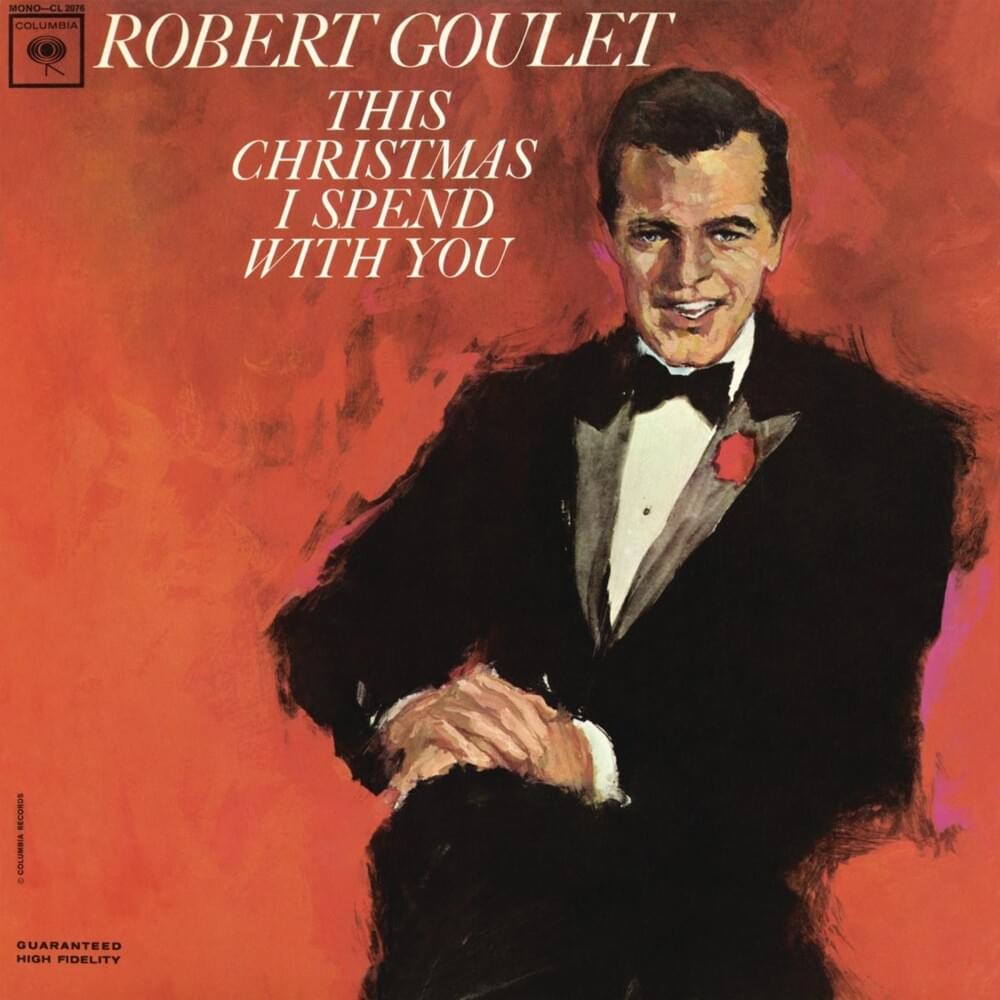
Robert Goulet, a name synonymous with mid-century crooning and Vegas grandeur, tackling 'Sauf quand je pense à toi'—wait, those lyrics…something's gloriously amiss. This isn't a tale of Parisian longing; it's 'O Holy Night,' rendered in English. The cognitive dissonance is almost as potent as Goulet's legendary vibrato. The song, irrespective of its unexpected vocalist, retains its core essence: a hymn celebrating the birth of Christ and the hope it brings to a world mired in sin. The lyrics paint a picture of a world transformed by the arrival of the Savior, transitioning from darkness and despair to a 'new and glorious morn.'
The emotional core of 'O Holy Night' lies in its powerful message of redemption and the promise of spiritual awakening. Phrases like 'the Soul felt its worth' speak to a profound sense of individual and collective liberation. The song isn't just about a historical event; it's about the ongoing potential for inner transformation and the enduring power of faith. The plea to 'fall on your knees' isn't merely a call to religious observance, but an invitation to humility and reverence in the face of something greater than oneself.
Ultimately, the song’s impact hinges on the listener's pre-existing relationship with the hymn itself. For some, Goulet's rendition might be a jarring juxtaposition—a secular icon embracing sacred material. For others, it could be a fresh perspective, highlighting the universal themes of hope and renewal that resonate beyond specific religious doctrines. Regardless, 'O Holy Night,' even when filtered through the Goulet lens, remains a potent reminder of the enduring human desire for meaning and transcendence.
 View Artist