Song Meaning
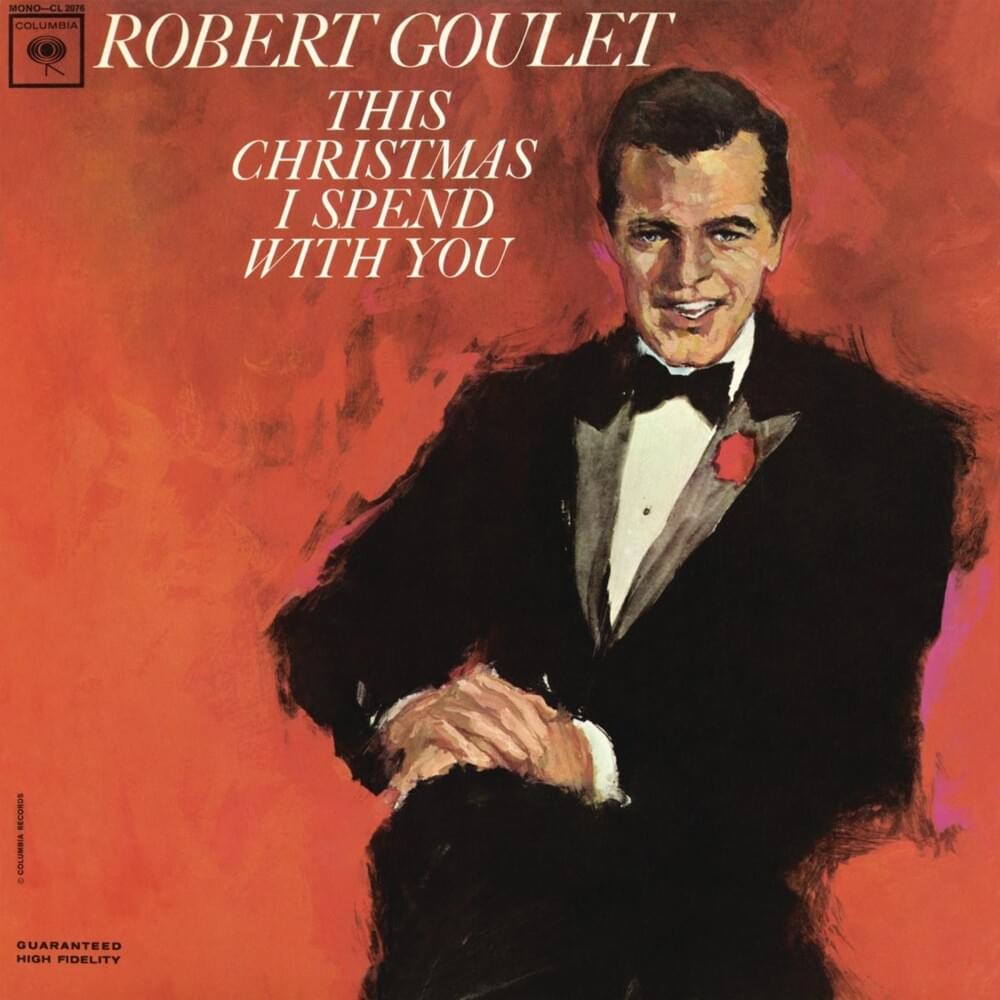
{"song_id": 11599446, "meaning": "Robert Goulet's rendition of \"O Come, All Ye Faithful\" isn't just a Christmas carol; it's an invitation to collective effervescence. The lyrics bypass individual contemplation, opting instead for a unified, almost primal call to witness and celebrate. The repetition of \"O come\" acts as a hypnotic suggestion, drawing the listener into a shared experience of awe. It's less about personal belief and more about communal participation in something perceived as profoundly significant, tapping into our innate desire for belonging and shared ritual. The lyrics bypass any complex theology, instead focusing on a direct, unmediated experience of the divine. The repeated call to 'adore Him' speaks to a fundamental human need to connect with something larger than ourselves, to lose oneself in a collective expression of reverence.
The song's power lies not in its lyrical complexity, but in its simplicity and directness. The images evoked – Bethlehem, the King of Angels, choirs of angels – are archetypal and instantly recognizable, bypassing intellectual analysis and triggering emotional responses rooted deep in our cultural consciousness. The call for 'all ye faithful' and 'citizens of heaven above' suggests an inclusive, universal invitation to participate in this act of adoration, transcending earthly divisions and appealing to a shared sense of humanity. Goulet's performance, presumably delivered with his signature theatrical flair, would have amplified this sense of grandeur and communal experience.
Ultimately, the song meaning of \"O Come, All Ye Faithful,\" especially as interpreted by an artist like Goulet, transcends religious doctrine. It's a study in the psychology of collective behavior, a demonstration of how simple language and repetitive structure can create a powerful sense of unity and shared purpose. The song is a reminder of our human capacity for awe, and our inherent need to connect with something beyond ourselves through shared ritual and collective expression. It speaks to the deep-seated human desire to find meaning and belonging in a world that often feels chaotic and fragmented."}
 View Artist