Song Meaning
Robert Goulet's "Existance" isn't just a song; it's a masterclass in the theater of heartbreak. Goulet, known for his booming voice and dramatic flair, wrings every drop of pathos from a deceptively simple scenario: the aftermath of 'little white lies.' But the song meaning resides not just in the lies themselves, but in the duality of the deceiver. The lyrics paint a portrait of someone capable of both angelic allure ('Heaven was in your eyes') and devilish intent ('The Devil was in your heart'). This contrast is crucial; it’s not a simple tale of betrayal, but an exploration of the human capacity for contradictory behavior. We've all been there, haven't we? Seduced by charm, only to be stung by the small cuts that accumulate into a gaping wound. The genius of Goulet, and the song, is how he distills that universal experience into such potent, theatrical terms.
The constant return to the phrase 'little white lies' is particularly telling. It's the kind of phrase we use to downplay the significance of dishonesty, to excuse the behavior of someone we care about (or want to care about). But Goulet doesn't let us off the hook. He acknowledges the attempt at forgetting ('I try, but there's no forgetting') and the almost defiant lack of regret ('I sigh, but there's no regretting / In spite of my tears'). There's a stubbornness in that lack of regret, a refusal to be completely undone by the deception. This isn't just about being hurt; it's about the struggle to maintain one's own emotional equilibrium in the face of profound disappointment.
The broader implication of the "Existance" lyrics analysis suggests that Goulet is exploring the very nature of human relationships and the inherent contradictions within them. Can we ever truly know another person? Can we reconcile the 'heaven' and 'devil' that reside within them (and ourselves)? The song offers no easy answers, only the raw, unfiltered emotion of someone grappling with the realization that the person they loved was not quite who they seemed to be. This tension, this push and pull between idealization and reality, is what gives "Existance" its enduring power.
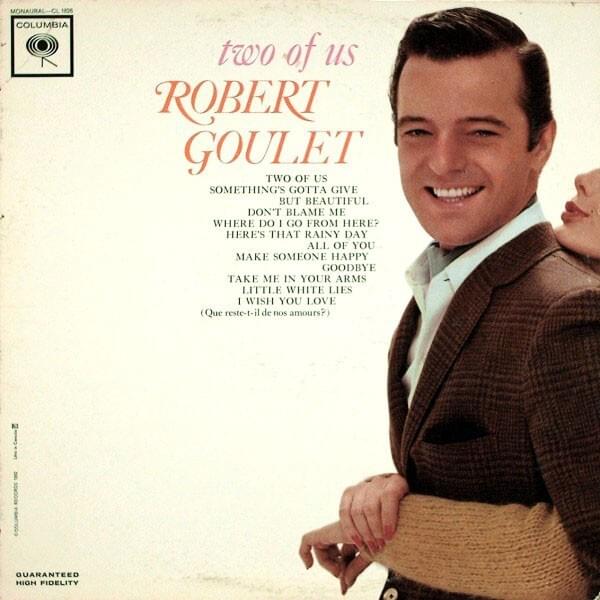
 View Artist