Song Meaning
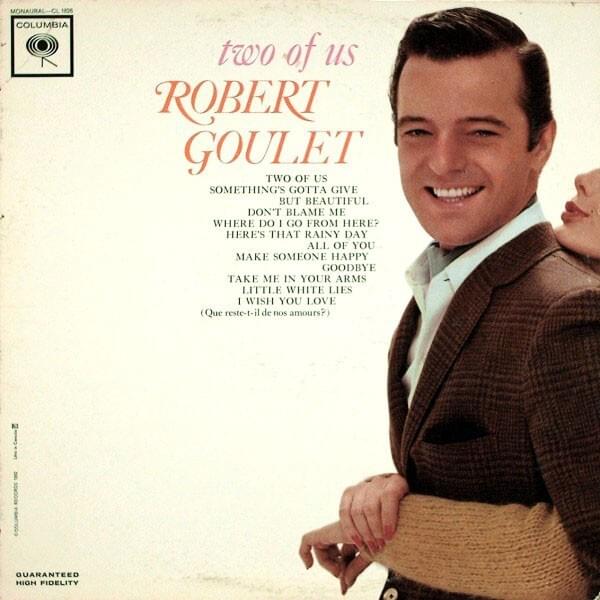
Robert Goulet's rendition of "Goodbye" isn't just a farewell; it's a masterclass in bittersweet resignation. The initial promise, that naive vow of eternal love, hangs heavy in the air, rendered almost tragic by the stark contrast of the present. The lyrics drip with the understanding that time, circumstance, or perhaps simply the fallibility of human nature has eroded what once seemed unbreakable. The repeated assertion, "I'll never forget you," is less a declaration of enduring affection and more a haunting reminder of what's been lost. It's a ghost that will linger, a bittersweet ache that underscores the finality of the separation. The song meaning resides in the space between memory and acceptance.
The shift from unwavering commitment to pragmatic parting is brutal. The acknowledgement, "But that was long ago, now you've forgotten I know," carries the weight of unspoken pain. There's no blame explicitly assigned, just a weary acceptance of the inevitable decay of love. The almost theatrical suggestion to "say farewell, with a sigh, let love die" hints at a performative aspect to the breakup, as if both parties are playing roles in a pre-ordained tragedy. This isn't a fiery explosion of emotion, but a slow, agonizing burn.
Yet, even in the face of heartbreak, there's a flicker of hope, albeit a muted one. The lines, "But we'll go on living, our own way of living," offer a glimmer of resilience. The diverging paths – "you take the high road and I'll take the low" – symbolize the acceptance of separate futures. There's a sense of maturity in recognizing that parting is "much better so," a willingness to prioritize individual well-being over a forced and ultimately unsustainable union. But perhaps the most poignant moment is the final request: "kiss me as you go, goodbye." It's a desperate plea for one last vestige of intimacy, a final attempt to capture the essence of what was before surrendering to the finality of goodbye.
 View Artist