Song Meaning
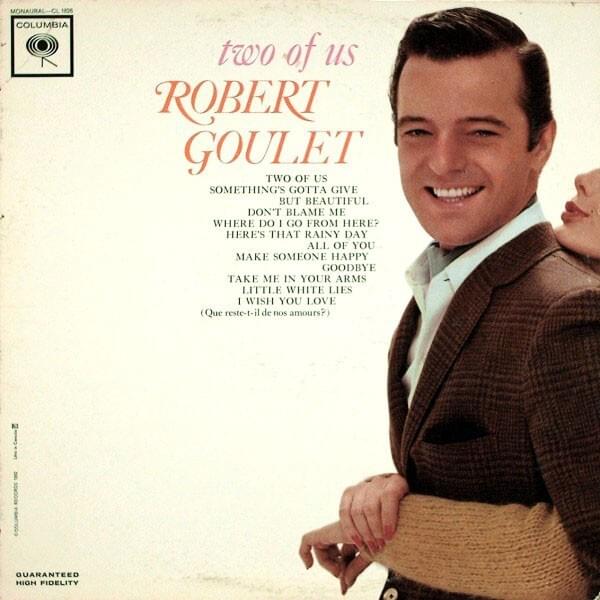
Robert Goulet’s rendition of “Don’t Blame Me” isn't just a song; it's a masterclass in deflection. It's a suave, theatrical performance of manufactured innocence, dripping with the kind of old-school charm that simultaneously seduces and amuses. The entire premise hinges on a carefully constructed denial of agency. Goulet, with that signature voice, insists he's merely a puppet, yanked about by forces beyond his control. It’s the moon, the kiss, "all your charms"—anything but his own volition that led him to fall. The song meaning boils down to a charming, albeit transparent, abdication of responsibility in the intoxicating game of love.
Lyrically, “Don’t Blame Me” operates in a realm of almost comical helplessness. The repetition of the title phrase becomes both a plea and a subtle accusation. He's not just asking for absolution; he's cleverly shifting the onus onto the object of his affection. The "doggone moon above" is a particularly delicious touch. It's a cliché, of course, but delivered with such sincerity that it almost works. The moon, a timeless symbol of romance, becomes a convenient scapegoat for his overwhelming desire. It's a romantic sentiment, but with a self-aware wink, highlighting the almost absurd nature of surrendering to emotions.
Ultimately, the genius of “Don’t Blame Me” lies in its knowing performance of vulnerability. Goulet doesn't truly expect to be absolved, but he understands the power of playing the lovestruck fool. It’s a calculated move, a tactic designed to disarm and endear. The song uses the age-old concept of externalizing blame. This can be seen in a psychological context as a defense mechanism, where the individual attributes their feelings or actions to external factors to avoid taking responsibility. Goulet's charm makes it all seem less manipulative and more like a game, a dance of desire where the lines between sincerity and strategy are delightfully blurred.
 View Artist