Song Meaning
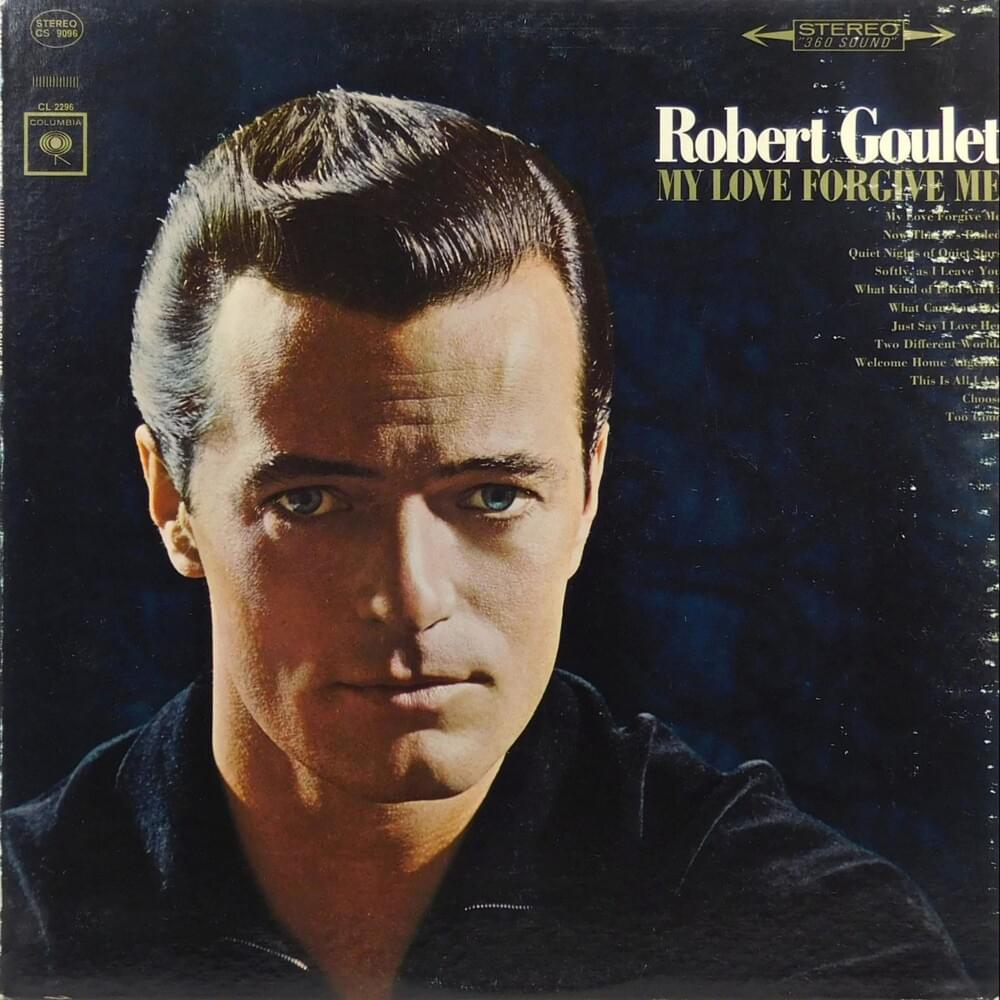
Robert Goulet's "Choose" isn't just a love song; it's a surprisingly existential plea disguised as a romantic ballad. The track immediately throws the listener into a vortex of decision-making, framing love not as a passive experience, but as a series of critical choices. Goulet dispenses with flowery romanticism and instead presents love as a conscious act, a selection between fleeting passion and enduring commitment. The repetition of "Choose, my darling, choose" acts as both an invitation and a subtle form of pressure, highlighting the urgency and weight of the decision at hand. It's a stark contrast to the often idealized portrayals of love, suggesting that true connection requires active participation and a willingness to confront difficult options.
Beyond the immediate romantic context, the lyrics broaden to encompass larger societal concerns. The questions about raising children in a "fair world" and the looming threat of global catastrophe inject a dose of reality into the traditionally saccharine world of mid-century ballads. Goulet seems to be suggesting that choosing a partner is not just a personal matter, but a decision that impacts the future of the world itself. This subtle shift elevates the song beyond a simple love declaration, turning it into a call for collective responsibility. The anxieties about the future, masked by Goulet's smooth delivery, resonate with a deeper, more profound sense of uncertainty.
Ultimately, "Choose" is a sophisticated exploration of love's complexities, layered with a sense of social awareness. The song's underlying message is that love, like life, is a series of choices, and that these choices have far-reaching consequences. It's a call to action, urging listeners to not only choose their partners wisely but to also actively choose the kind of world they want to create. The final affirmation, "I have chosen, you are my love," is not just a romantic declaration, but a commitment to facing the future, with all its uncertainties, together. It transforms a simple ballad into a powerful statement about agency, responsibility, and the enduring power of choice.
 View Artist