Song Meaning
The lyrics paint a picture of a bleak present, a time of "demon days" where routine labor ("pulling our pay") offers little solace. A pervasive sense of stagnation hangs heavy, with the "lights on the hill" acting as a cold, immobilizing force rather than a beacon of hope. This initial scene establishes a mood of unease and arrested development, hinting that the expected rewards of life are out of reach or corrupted.
The core tension arises from a feeling that external forces, personified as "fingers of fate," are directing the narrator and others towards an inevitable, perhaps dark, future. Despite this seemingly predetermined path, there's a persistent, nagging awareness that "something's not right." This internal dissonance between external control and internal unease fuels the song's unsettling atmosphere, suggesting a loss of agency and a growing dread.
The imagery of "half whispered hopes" and "dreams that we smoked" is particularly striking. These aspirations, once vibrant and full of potential ("sparks to be sung"), are depicted as ephemeral and ultimately fleeting, dissolving as quickly as smoke. The contrast between the bright potential of dreams and their eventual dissipation underscores the disillusionment at the heart of these "demon days."
Ultimately, the effectiveness of these lyrics lies in their stark, almost minimalist portrayal of existential dread. The repetition of "something's not right" and "something's gone wrong" acts like a broken record, amplifying the feeling of being trapped in a cycle of disappointment. It's this raw, unvarnished expression of a pervasive sense of things being fundamentally amiss that resonates, capturing a specific kind of modern malaise.
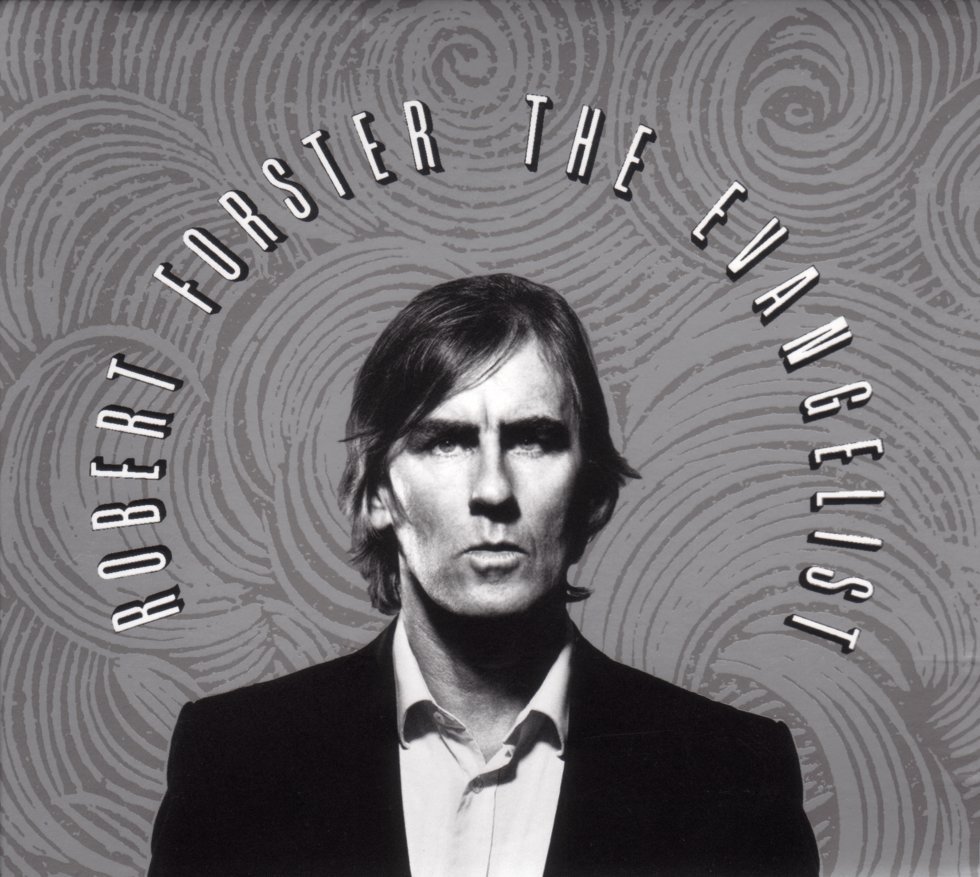
 View Artist